Global Heat of 2026: How to Stay Cool, Hydrated & Heart-Healthy in Extreme Heat

The Global heat of 2026 has become a serious concern worldwide, with rising temperatures affecting daily life and overall health. Prolonged exposure to extreme heat can lead to dehydration, heat stroke, and increased stress on the heart. For individuals with heart conditions, this situation demands extra care and awareness.
According to Dr. Sudhanshu J. Agnihotri, Cardiac Surgeon Indore, managing your lifestyle during the Global heat of 2026 is essential to protect your heart and maintain overall well-being. Simple habits related to diet, hydration, and routine can make a significant difference.
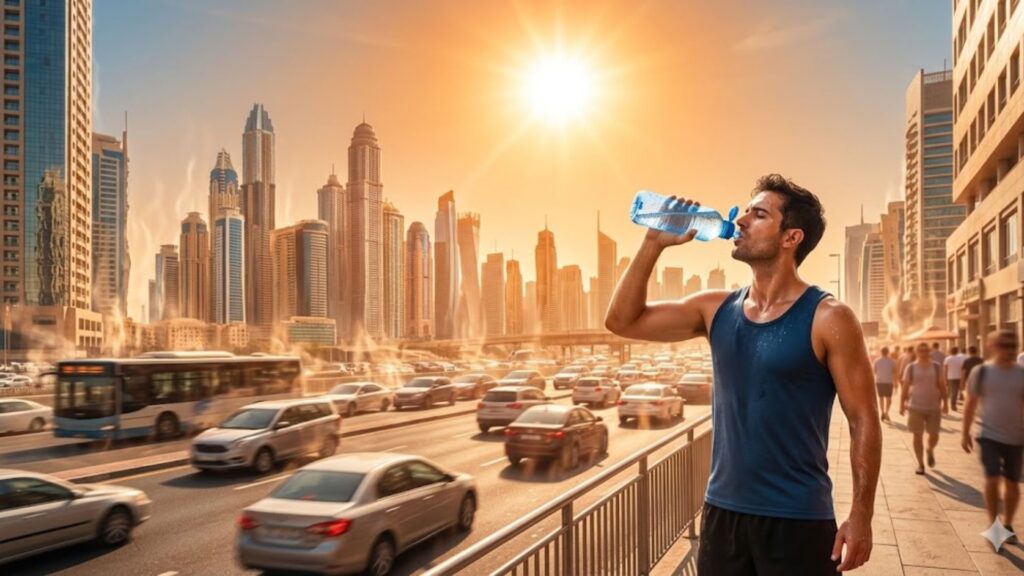
How Can We Keep the Body Cool and Hydrated During Summer?
Staying cool and hydrated is the first step to handling the Global heat of 2026 effectively. The body loses fluids quickly through sweat, which must be replenished regularly.
To stay hydrated:
- Drink water frequently, even if you are not thirsty
- Include coconut water, lemon water, and buttermilk in your diet
- Avoid direct sunlight during peak afternoon hours
- Wear light, breathable clothing
Keeping your body temperature regulated helps reduce stress on the heart and prevents complications during the Global heat of 2026.
What Are the Symptoms, Causes, and Prevention of Dehydration?
Dehydration is one of the most common problems during the Global heat of 2026. It occurs when the body loses more fluids than it takes in.
Symptoms include:
- Dry mouth and dizziness
- Fatigue and weakness
- Dark-colored urine
- Rapid heartbeat
Common causes:
- Excessive sweating
- Not drinking enough fluids
- Consuming too much caffeine or sugary drinks
Prevention tips:
- Drink 2.5–3 liters of water daily
- Eat water-rich fruits like watermelon and cucumber
- Avoid alcohol and processed drinks
Early recognition of dehydration can prevent serious health risks.
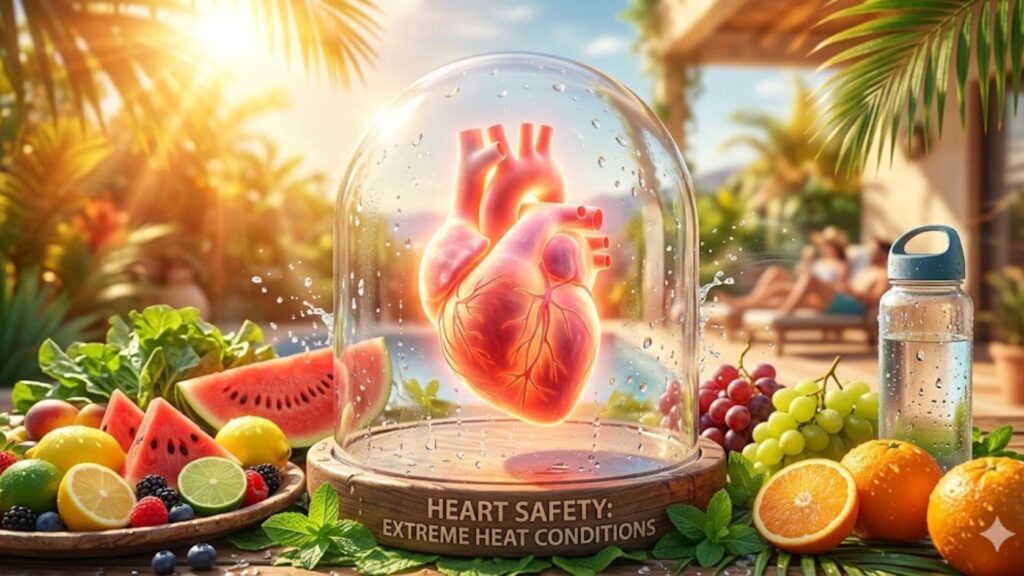
What Should We Eat and Avoid in a Summer Diet?
Diet plays a major role in coping with the Global heat of 2026. A balanced summer diet keeps the body cool and supports heart health.
What to eat:
- Fresh fruits and vegetables
- Whole grains and light meals
- Yogurt and curd-based dishes
What to avoid:
- Oily and fried foods
- Spicy and salty snacks
- Packaged and sugary beverages
Dr. Sudhanshu J. Agnihotri emphasizes that a light and nutritious diet reduces the burden on the heart during extreme heat.
What Is Heat Stroke, and What Are Its Symptoms and Prevention Methods?
Heat stroke is a severe condition linked to the Global heat of 2026, caused by prolonged exposure to high temperatures.
Symptoms include:
- High body temperature
- Confusion or dizziness
- Rapid pulse
- Lack of sweating despite heat
Prevention methods:
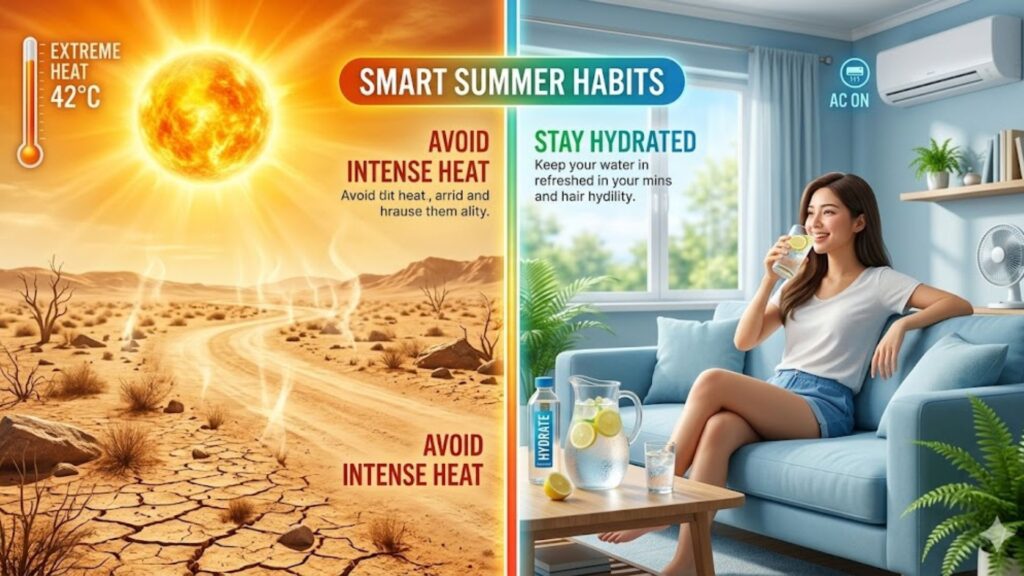
- Stay indoors during peak heat hours
- Keep yourself hydrated
- Wear loose, light-colored clothes
- Use cooling methods like fans or AC
Heat stroke can be life-threatening, so immediate action is crucial if symptoms appear.
How Does Extreme Heat Affect the Heart, and What Precautions Should Be Taken?
The Global heat of 2026 puts additional strain on the heart. High temperatures force the heart to work harder to maintain normal body temperature.
Effects on the heart:
- Increased heart rate
- Risk of dehydration-related complications
- Fluctuations in blood pressure
Precautions:
- Avoid heavy physical activity during hot hours
- Stay hydrated at all times
- Follow prescribed medications regularly
Dr. Sudhanshu J. Agnihotri advises heart patients to be extra cautious and avoid unnecessary exposure to extreme heat.

How Can Blood Pressure Be Controlled During the Summer?
Managing blood pressure is crucial during the Global heat of 2026, as dehydration and heat stress can cause fluctuations.
Tips to control BP:
- Reduce salt intake
- Stay hydrated
- Avoid stress and overheating
- Monitor BP regularly
A stable routine and proper hydration can help maintain healthy blood pressure levels.
What Are the Common Diseases in Summer, and How Can They Be Prevented?
The Global heat of 2026 has increased the risk of several seasonal illnesses.
Common diseases:
- Heat stroke
- Dehydration
- Food poisoning
- Skin infections
Prevention:
- Maintain hygiene
- Avoid stale or outside food
- Drink clean, safe water
- Protect yourself from direct sun exposure
Preventive care is the best way to stay healthy during extreme weather conditions.
How Can We Prevent Fatigue and Weakness During Hot Weather?
Fatigue is a common issue during the Global heat of 2026, often caused by dehydration and lack of proper nutrition.
Prevention tips:
- Stay hydrated throughout the day
- Eat small, frequent meals
- Get enough rest
- Avoid excessive physical exertion
Maintaining energy levels is important to avoid stress on the body and heart.
How Can We Create a Healthy Summer Routine for Better Sleep?
Sleep disturbances are common during the Global heat of 2026, due to high temperatures and discomfort.
Tips for better sleep:
- Keep your room cool and ventilated
- Avoid heavy meals before bedtime
- Maintain a consistent sleep schedule
- Limit screen time at night
A proper sleep routine helps the body recover and function efficiently.

What Is the Right Time and Method to Exercise During Summer?
Exercise is important, but it must be adjusted during the Global heat of 2026.
Best practices:
- Exercise early morning or late evening
- Choose light activities like walking or yoga
- Stay hydrated before, during, and after exercise
- Avoid outdoor workouts during peak heat
Safe exercise habits ensure you stay fit without risking your health.
Final Thoughts
The Global heat of 2026 is a reminder that our lifestyle choices play a crucial role in protecting our health. By staying hydrated, eating wisely, and following a balanced routine, you can reduce the risks associated with extreme heat.
As highlighted by Dr. Sudhanshu J. Agnihotri, Cardiac Surgeon Indore, awareness and prevention are the most powerful tools to stay safe. Small daily habits can make a big difference in keeping your heart healthy and your body strong during this intense summer season.