

TAVR Surgery Explained: Benefits, Risks, & Cost
TAVR Surgery in Indore: Eligibility, Cost, Recovery, Diet & Precautions
Heart valve disease can affect daily life by causing breathlessness, tiredness, chest discomfort, dizziness, or reduced ability to perform routine activities. For some patients with severe aortic valve disease, TAVR Surgery in Indore may offer a less invasive treatment option compared with traditional open-heart valve replacement. However, whether TAVR is appropriate depends on the patient’s age, health, valve condition, anatomy, and overall surgical risk.
What Is TAVR Surgery, and Why Is It Called TAVR?
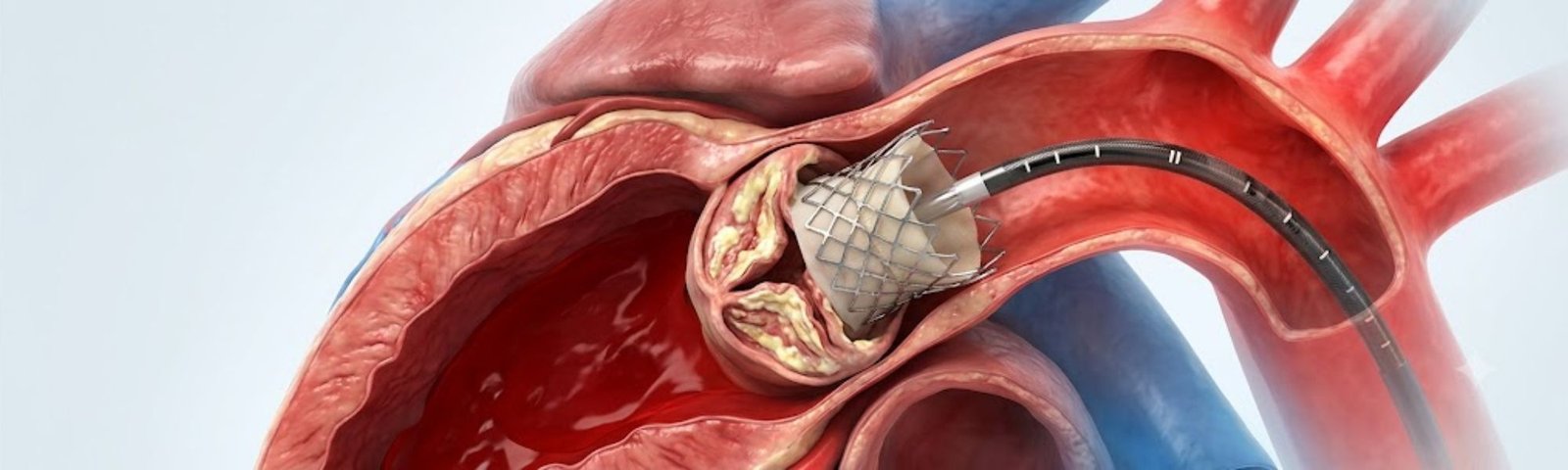
TAVR stands for Transcatheter Aortic Valve Replacement. It is a minimally invasive procedure used to replace a diseased aortic valve. Instead of opening the chest to remove the old valve, doctors generally insert a replacement valve through a catheter, commonly through an artery in the groin.
The terms TAVI and TAVR are often used for the same treatment. TAVI means Transcatheter Aortic Valve Implantation, while TAVR means Transcatheter Aortic Valve Replacement. Therefore, patients searching for TAVI Procedure in Indore may be referring to the same type of transcatheter aortic valve treatment.
When Is TAVR Surgery Used?
TAVR Surgery in Indore is primarily considered for patients with significant aortic valve disease, particularly severe aortic stenosis. In aortic stenosis, the valve becomes narrowed and does not open properly, making it harder for the heart to pump blood efficiently.
A cardiology or heart team may evaluate symptoms, echocardiography findings, CT scans, age, general health, and surgical risk before recommending TAVR. The final decision should always be based on an individual medical assessment.
Who Is Eligible for TAVR Surgery?
Eligibility for TAVR Surgery in Indore is not determined by age alone. Patients with severe symptomatic aortic stenosis may be considered after detailed evaluation.
Doctors may consider factors such as:
- Severity of valve narrowing
- Symptoms and their impact on daily activities
- Age and life expectancy
- Heart function
- Previous heart procedures
- Other medical conditions
- Anatomy of the aortic valve and blood vessels
- Risk associated with conventional surgery
A multidisciplinary heart team can compare available treatment options and recommend the most suitable approach.
What Are the Benefits of TAVR Surgery?
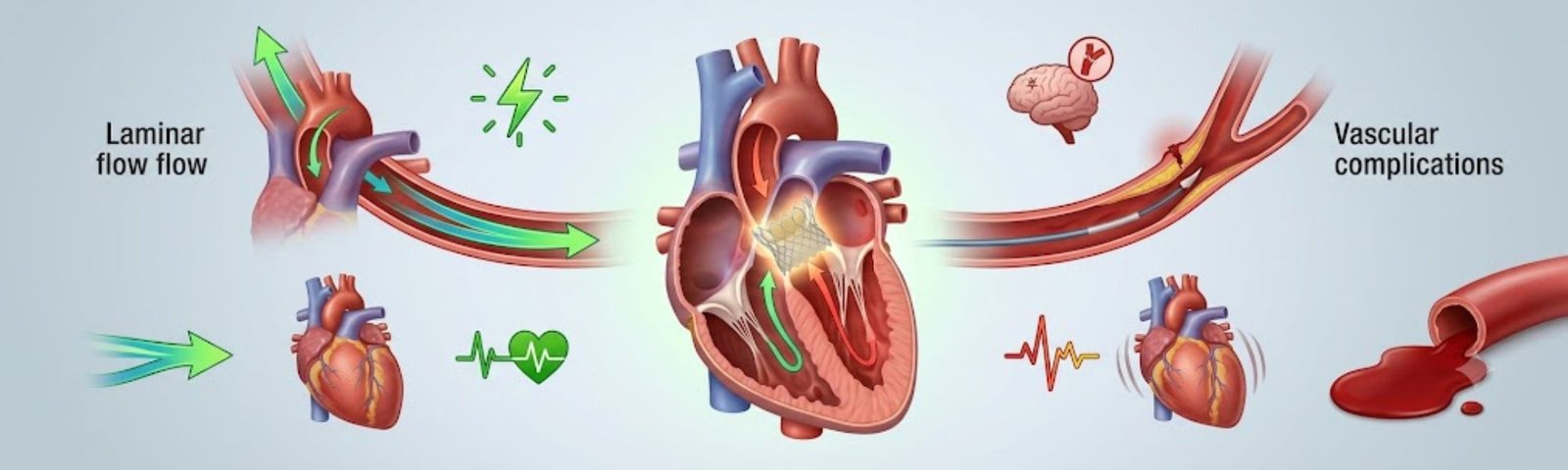
One important advantage of TAVR Treatment in Indore is that it is performed through a catheter rather than requiring conventional open-heart surgery in many cases. This can mean a smaller access site and potentially a shorter hospital stay and recovery period for appropriately selected patients.
Other possible benefits include improvement in symptoms such as breathlessness and fatigue and improved ability to perform everyday activities. However, results vary from patient to patient, and TAVR is not automatically the best option for everyone.
What Are the Risks of TAVR Surgery?
Like every medical procedure, TAVR Surgery in Indore has potential risks. These may include bleeding, blood-vessel complications, infection, stroke, irregular heart rhythm, kidney-related problems, leakage around the artificial valve, or the need for a pacemaker.
The actual risk depends on the patient’s health, age, anatomy, existing medical conditions, and the type of procedure performed. A detailed pre-procedure assessment helps the medical team identify and manage these risks.

How Long Does Recovery Take After TAVR?
Recovery after TAVR can be quicker than recovery from conventional open-heart valve surgery for many suitable patients. The exact hospital stay and return to normal activities depend on the patient’s condition and whether any complications occur.
After TAVR Surgery in Indore, patients should follow the treating team’s instructions regarding walking, medicines, wound care, follow-up visits, and physical activity. Regular monitoring is important even when the patient feels better.
What Precautions Should Be Taken After TAVR?
Following TAVR Surgery in Indore, patients should take prescribed medicines regularly and attend scheduled follow-ups. They should monitor for warning signs such as increasing breathlessness, chest pain, fainting, fever, unusual swelling, or abnormal bleeding and contact their medical team if these occur.
Patients should also avoid suddenly returning to strenuous activities. The treating team can provide personalized advice about exercise, driving, travel, and daily activities.

What Should Be the Diet After TAVR?
There is no single diet suitable for every TAVR patient. In general, a heart-friendly eating pattern can include vegetables, fruits, whole grains, pulses, nuts in appropriate portions, and lean protein.
Patients may be advised to limit excess salt, highly processed foods, sugary foods, and foods high in unhealthy fats. Fluid intake may also need individual adjustment, especially for patients with heart failure or other medical conditions.
How Much Does TAVR Surgery Cost in Indore?
The cost of TAVR Surgery in Indore can vary considerably. It depends on factors such as the type and cost of the replacement valve, hospital charges, investigations, procedure-related expenses, length of stay, medicines, and the patient’s overall medical condition.
Because of these variables, patients should obtain an individualized estimate from the hospital after evaluation rather than relying on a fixed online figure.
Who Is the Best TAVR Doctor in Indore?
Patients searching for the Best TAVR doctor in Indore, Dr. Sudhanshu J. Agnihotri, should consider qualifications, relevant cardiac experience, hospital facilities, the heart team, and whether the treatment is appropriate for their specific condition. Dr. Sudhanshu J. Agnihotri is a cardiovascular and thoracic surgeon in Indore who can help patients understand available surgical and cardiac treatment options.
For anyone considering TAVR Treatment in Indore, an expert evaluation is important before deciding on the procedure. The goal should not simply be to choose a procedure, but to determine the safest and most appropriate treatment for the patient’s individual heart condition.