

Redo Cardiac Surgery
Learn Reoperative Cardiac Surgery from Cardiac Surgeon Dr. Sudhanshu J. Agnihotri
Heart surgery can be a life-changing treatment for patients with serious cardiac conditions. However, some patients may need another operation months or years after their first heart surgery. This procedure is known as Reoperative Cardiac Surgery, also called redo cardiac surgery. It may be required when an existing heart problem returns, a previously implanted valve develops complications, or a new cardiac condition needs surgical treatment.
Understanding the reasons, risks, and recovery process can help patients and their families make informed decisions. With guidance from an experienced medical team, patients can understand their treatment options and prepare for the next stage of care.

What Is Reoperative Cardiac Surgery, and How Is It Different from First-Time Heart Surgery?
Reoperative Cardiac Surgery refers to an operation performed on a patient who has undergone heart surgery previously. Unlike a first-time procedure, the surgeon must work around tissues that may have developed scar tissue from the earlier operation.
These changes can make the procedure more technically challenging. Before surgery, doctors carefully review the patient’s medical history, previous surgical records, heart function, and current diagnostic reports.
Dr. Sudhanshu J. Agnihotri, cardiac surgeon in indore, can help patients understand the importance of an individualised assessment when considering repeat heart surgery.
When Is Redo Cardiac Surgery Necessary After a Previous Heart Operation?
Redo Cardiac Surgery may become necessary when a previous treatment no longer provides the expected benefit or a new cardiac problem develops. Common reasons include:
- Narrowing or blockage in previously treated coronary arteries or bypass grafts.
- Damage, degeneration, or dysfunction of a previously replaced heart valve.
- Infection involving a previously implanted valve or other cardiac material.
- Complications associated with an earlier heart operation.
- Progression of another heart condition that requires surgical treatment.
Not every patient with a recurring heart problem needs another operation. Doctors assess symptoms, test results, overall health, and available alternatives before recommending treatment.

Is Reoperative Cardiac Surgery More Risky Than First-Time Heart Surgery?
In many cases, Reoperative Cardiac Surgery carries additional challenges because scar tissue can make it difficult to access the heart safely. Patients may also have other medical conditions or reduced heart function that influence surgical risk.
Potential complications include bleeding, infection, irregular heart rhythms, stroke, kidney problems, and prolonged recovery. However, the level of risk varies considerably from patient to patient.
Dr. Sudhanshu J. Agnihotri, cardiac surgeon in indore, can explain why reviewing previous surgical records and evaluating the patient’s current condition are important steps in treatment planning. Patients should discuss their individual risks and expected benefits directly with their cardiac surgery team.
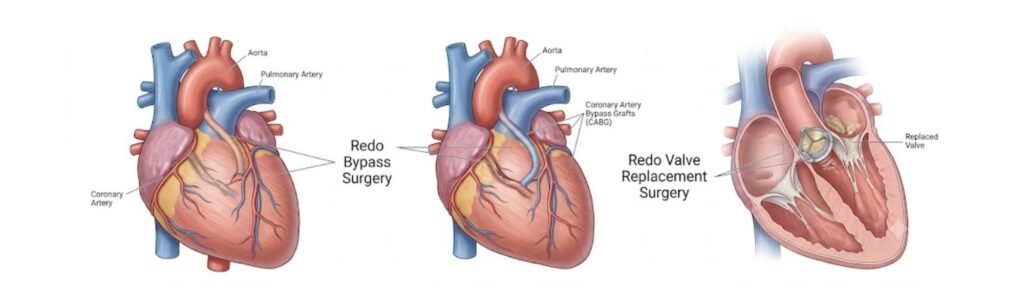
Which Heart Conditions May Require Redo Bypass or Valve Replacement Surgery?
Redo Bypass Surgery may be considered when previous bypass grafts become narrowed or blocked, or when coronary artery disease progresses and causes significant symptoms or reduced blood supply to the heart. Depending on the findings, medication, angioplasty, or another surgical procedure may be appropriate.
Redo Valve Replacement Surgery may be needed when a previously repaired or replaced heart valve becomes severely narrowed, leaks significantly, or develops another serious complication. In selected cases, a catheter-based treatment may offer an alternative to another open-heart operation.
Repeat Heart Surgery is not automatically necessary whenever a bypass graft or valve develops a problem. The decision depends on the severity of the condition, the patient’s symptoms, previous procedures, and overall health.
How Do Doctors Decide Between Redo Cardiac Surgery and Other Treatments?
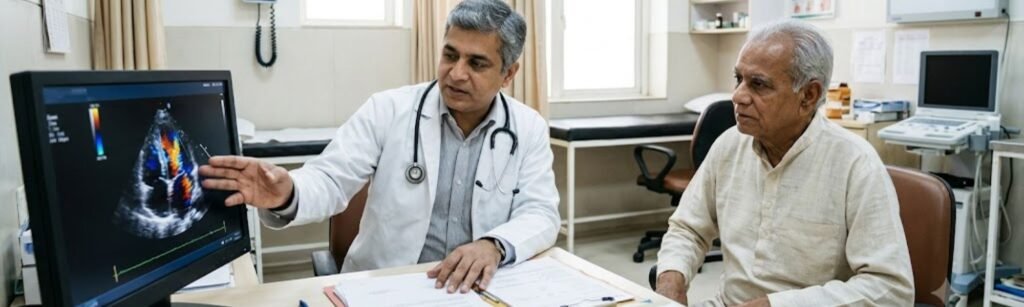
Doctors use several assessments to determine the most suitable treatment. These may include echocardiography, coronary angiography, CT scans, blood tests, and other investigations depending on the patient’s condition.
The medical team considers whether the problem can be managed with medication, angioplasty, a catheter-based valve procedure, or another intervention. If surgery is required, the team evaluates the safest approach and the potential benefits.
Patients seeking information about Reoperative Heart Surgery in India should ask about available treatment options, expected outcomes, and the experience of the treating team. Dr. Sudhanshu J. Agnihotri, cardiac surgeon in indore, can be consulted for guidance on understanding repeat cardiac surgery and the importance of personalised treatment planning.

How Long Does Recovery Take After Reoperative Cardiac Surgery?
Recovery depends on the type of operation, the patient’s general health, and whether complications occur. Hospitalisation may last several days or longer, while recovery at home can take several weeks to a few months.
Patients should follow their prescribed medication schedule, attend follow-up appointments, care for the surgical wound, and gradually increase physical activity according to medical advice. Cardiac rehabilitation may also help eligible patients regain strength and improve their confidence.
Chest discomfort that worsens, fever, wound discharge, increasing breathlessness, or other concerning symptoms should be reported promptly. Sudden severe chest pain or serious breathing difficulty requires emergency medical attention.
What Are the Possible Complications, and How Can Patients Reduce Their Risk?
Possible complications include bleeding, infection, stroke, abnormal heart rhythms, kidney injury, and problems related to anaesthesia. The risks depend on the procedure and the patient’s health.
Patients can prepare by sharing complete medical records, informing doctors about all medications and allergies, controlling diabetes and blood pressure, and stopping smoking. Medication changes, including blood thinners, must only be made under medical supervision.
How Can Patients Prepare for Redo Cardiac Surgery?
Preparation begins with a detailed discussion with the cardiac surgeon. Patients should bring previous operation notes, discharge summaries, investigation reports, and a current list of medicines.
Following instructions about fasting, medication, nutrition, and physical activity is essential. Family support and a clear recovery plan can also make the process easier.
For patients exploring Redo Cardiac Surgery in Indore, a consultation with Dr. Sudhanshu J. Agnihotri, cardiac surgeon in indore, can help them understand their condition and discuss suitable next steps.
Conclusion
Reoperative Cardiac Surgery can be an important treatment option when a problem develops after an earlier heart operation. Although repeat surgery may involve additional technical challenges, careful assessment, appropriate planning, and structured follow-up help the medical team manage risks.
Patients should not ignore recurring chest pain, breathlessness, unusual fatigue, or other concerning symptoms after previous heart surgery. Timely medical evaluation can help identify the problem and determine whether medication, a minimally invasive intervention, or repeat surgery is appropriate.
Disclaimer: This article is intended for public awareness and education. Treatment decisions should always be made in consultation with a qualified cardiac specialist based on individual medical needs.