

Minimally Invasive Cardiac Surgery in Indore: Benefits, Risks, & Recovery!

Heart surgery has advanced significantly, offering patients different treatment options depending on their heart condition. Minimally invasive cardiac surgery is one such modern approach that allows surgeons to perform certain heart procedures through smaller incisions instead of a traditional large chest opening. Dr. Sudhanshu J Agnihotri – Indore best heart surgeon – helps patients understand advanced cardiac treatment options and the importance of selecting the right surgical approach. People searching for Minimally invasive cardiac surgery in Indore can learn about its benefits, risks, preparation, recovery, and expected treatment costs before making an informed decision.
What Is Minimally Invasive Cardiac Surgery?
Minimally invasive cardiac surgery is a technique in which surgeons operate on the heart through small cuts made between the ribs or through other carefully selected access points. Depending on the procedure, specialised surgical instruments and a camera may be used to perform the operation.
Unlike traditional open-heart surgery, which commonly involves opening the breastbone (sternum), some minimally invasive procedures avoid cutting through the entire breastbone. However, the technique depends on the patient’s condition and the type of surgery required. Minimally invasive cardiac surgery in Indore can be considered for suitable patients after a detailed cardiac evaluation.

Why Is Minimally Invasive Cardiac Surgery Performed?
This approach is performed to treat certain heart conditions while reducing the size of the surgical incision. It may be recommended for procedures such as mitral valve repair or replacement, selected aortic valve procedures, and certain congenital heart defect repairs. The main objective is to correct the heart problem safely while minimising surgical trauma wherever possible.
Who Is Eligible for Minimally Invasive Cardiac Surgery?
Not every heart patient is suitable for this technique. Eligibility depends on factors such as the type and severity of heart disease, heart function, previous heart surgeries, age, overall health, and the presence of other medical conditions.
Patients with certain valve disorders or selected structural heart problems may be suitable candidates. A cardiac surgeon evaluates medical reports, echocardiography, CT scans, and other investigations before recommending Minimally invasive cardiac surgery in Indore.
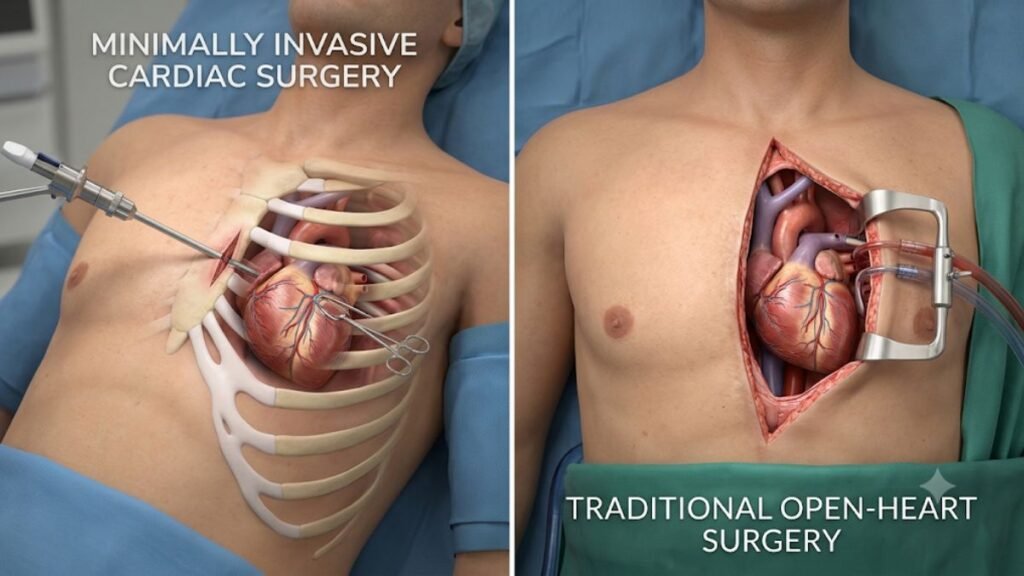
What Are the Benefits Compared to Traditional Open-Heart Surgery?
Minimally invasive procedures may offer several advantages over conventional surgery, including:
- Smaller surgical incisions and less visible scarring.
- Reduced blood loss in some procedures.
- Less postoperative pain for many patients.
- Lower risk of wound-related complications in selected cases.
- Shorter hospital stays in suitable patients.
- Faster return to routine activities.
However, these benefits are not guaranteed for every patient. The outcome depends on the procedure, surgical technique, and individual health condition.
What Are the Risks of Minimally Invasive Cardiac Surgery?
Like every major heart operation, minimally invasive cardiac surgery also carries certain risks. These may include bleeding, infection, blood clots, irregular heartbeat, stroke, breathing complications, or reactions to anaesthesia.
In some cases, the surgeon may need to convert the minimally invasive procedure into traditional open-heart surgery for safety reasons. Discussing these possibilities with an experienced cardiac surgeon helps patients understand the treatment plan.

How Should Patients Prepare for Minimally Invasive Cardiac Surgery?
Proper preparation is essential for a safe surgical experience. Patients may need blood tests, ECG, echocardiography, chest X-rays, or other investigations depending on their condition.
Doctors may advise patients to:
- Inform the medical team about existing health problems and allergies.
- Discuss all medicines, including blood thinners and supplements.
- Follow instructions regarding fasting before surgery.
- Stop smoking and avoid tobacco.
- Maintain good nutrition and follow medical advice.
Patients should never stop prescribed medication without consulting their doctor. Those planning Minimally invasive cardiac surgery in Indore should follow their surgeon’s instructions carefully.
What Is the Recovery Time After Minimally Invasive Cardiac Surgery?
Recovery varies according to the type of operation, age, and overall health. Many patients stay in the hospital for a few days, although complex procedures may require a longer stay. Some patients gradually resume light activities within a few weeks, while complete recovery can take several weeks or longer.
Walking, breathing exercises, follow-up appointments, and cardiac rehabilitation may support recovery. Dr. Sudhanshu J Agnihotri emphasises the importance of following medical guidance and avoiding strenuous activities until the treating team gives approval.

What Foods Should Patients Eat After Minimally Invasive Cardiac Surgery?
A balanced, heart-friendly diet can support healing and overall cardiovascular health. Patients should include fresh fruits, vegetables, whole grains, pulses, and suitable protein sources in their meals.
It is also advisable to limit excess salt, fried foods, processed snacks, sugary drinks, and foods high in saturated fats. Dietary requirements may differ for patients with diabetes, kidney problems, or other health conditions. Always follow personalised dietary recommendations.
How Long Are Medications Needed After Minimally Invasive Cardiac Surgery?
The duration of medication depends on the type of surgery and the patient’s medical condition. Some patients may need medicines for pain, blood pressure, cholesterol, or blood clot prevention. Those receiving mechanical heart valves may require lifelong blood-thinning medication and regular monitoring.
Patients should take medicines exactly as prescribed and should not discontinue them without medical advice.
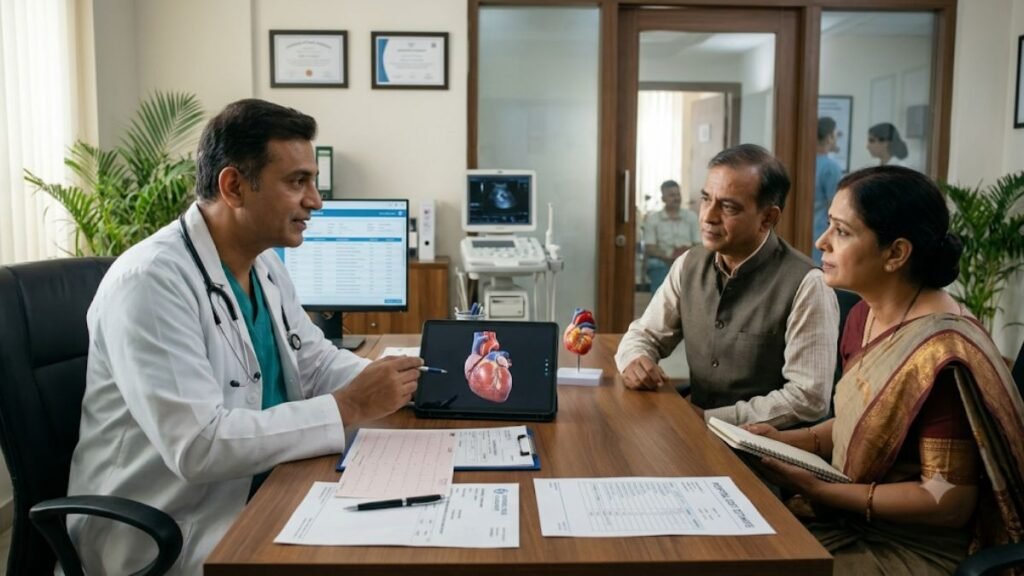
How Much Does Minimally Invasive Cardiac Surgery Cost in India?
The cost of surgery in India varies depending on the hospital, surgeon’s expertise, procedure complexity, medical equipment, implants, ICU stay, and duration of hospitalisation. Additional expenses may include diagnostic tests, medicines, and follow-up care.
Therefore, patients should request a personalised estimate after medical evaluation. The cost of Minimally invasive cardiac surgery in Indore may differ between hospitals and individual treatment plans.
Conclusion
Minimally invasive cardiac surgery has created new possibilities for treating selected heart conditions with smaller incisions and potentially faster recovery. However, the most suitable surgical approach should always be based on the patient’s medical needs rather than the size of the incision alone.
Dr. Sudhanshu J Agnihotri – Best Heart Surgeon in Indore, helps patients understand cardiac surgery options and the importance of individualised treatment planning. If you are considering Minimally invasive cardiac surgery in Indore, consult a qualified cardiac surgeon to understand your eligibility, treatment options, potential risks, and expected recovery.