Dyslipidemia Treatment: With Cardiac Surgeon Dr. Sudhanshu Agnihotri
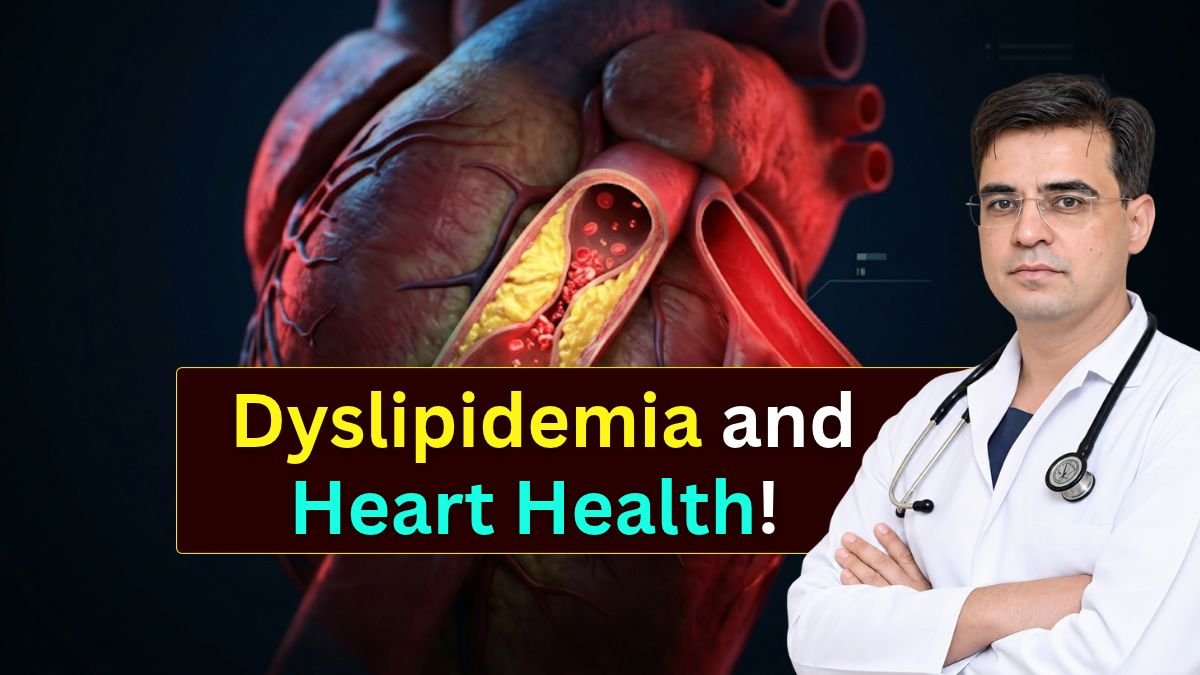
Dyslipidemia Treatment & Heart Health | Dr. Sudhanshu Agnihotri
Heart health depends on several factors, and maintaining healthy cholesterol levels is one of the most important. Dyslipidemia is a condition in which the levels of cholesterol or other fats (lipids) in the blood become abnormal. If left unmanaged, it can increase the risk of blocked arteries, heart attacks, and other cardiovascular problems. Understanding the condition early can help people take the right steps towards better heart health.
Dyslipidemia Treatment involves managing unhealthy lipid levels through lifestyle changes, a balanced diet, regular monitoring, and medication when prescribed. Dr. Sudhanshu J. Agnihotri, a cardiac surgeon in Indore, emphasises the importance of understanding heart-related risk factors and taking timely medical advice.
What is Dyslipidemia?
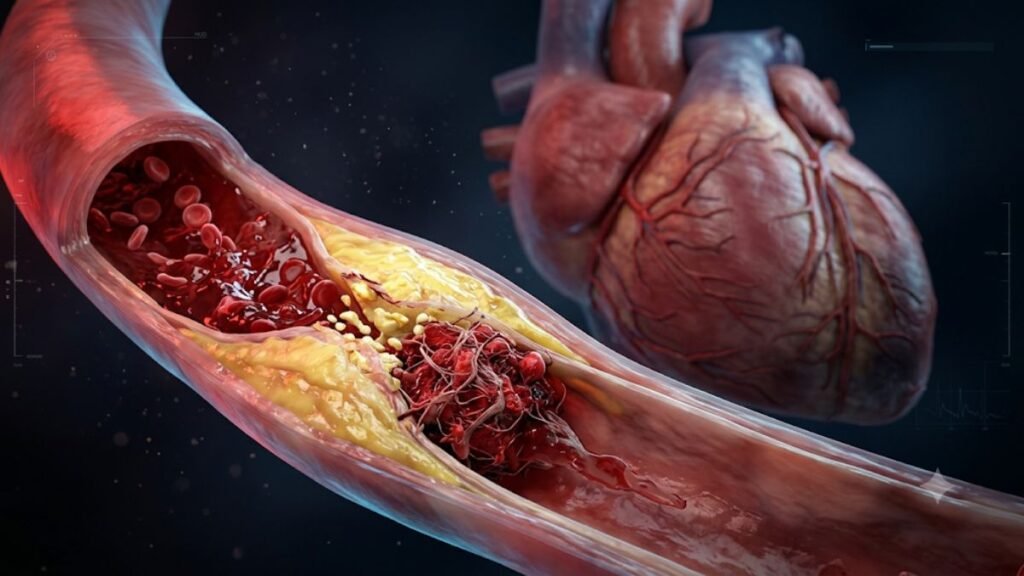
Dyslipidemia refers to an imbalance in blood lipid levels. It may involve high LDL (bad cholesterol), high triglycerides, or low HDL (good cholesterol). These changes can gradually contribute to fatty deposits inside the arteries, making blood circulation difficult.
Early detection and appropriate Dyslipidemia Treatment can help control cholesterol levels and reduce the risk of future heart complications.
What Are the Different Types of Dyslipidemia?
Dyslipidemia can be classified according to the type of lipid imbalance:
- High LDL cholesterol: Excess bad cholesterol can accumulate in artery walls.
- Low HDL cholesterol: Lower good cholesterol reduces the body’s ability to remove excess cholesterol.
- High triglycerides: Increased blood fats can contribute to cardiovascular risk.
- Mixed dyslipidemia: A combination of high LDL, high triglycerides, and sometimes low HDL.
Identifying the type helps doctors determine an appropriate management plan.
What Causes Dyslipidemia?
Several factors can contribute to abnormal cholesterol levels, including:
- Eating foods high in saturated and trans fats.
- Lack of physical activity.
- Being overweight or obese.
- Smoking and excessive alcohol consumption.
- Diabetes and thyroid disorders.
- Certain medications and underlying health conditions.
Understanding these causes is an important part of effective Dyslipidemia Treatment, as addressing the underlying factors can improve overall cardiovascular health.
Is Dyslipidemia a Genetic Condition?
Yes, dyslipidemia can sometimes be inherited. Familial hypercholesterolemia is a genetic condition in which the body has difficulty removing LDL cholesterol from the bloodstream. People with a family history of high cholesterol or early heart disease may need cholesterol screening at an earlier age.
However, dyslipidemia is not always genetic. Lifestyle habits and other medical conditions can also contribute to its development.
Which People Are at a Higher Risk of Developing Dyslipidemia?
Certain individuals have a greater chance of developing abnormal lipid levels, including:
- People with a family history of high cholesterol.
- Individuals with diabetes or high blood pressure.
- People who consume unhealthy diets.
- Individuals with obesity or limited physical activity.
- Smokers and people with excessive alcohol intake.
- Older adults.
Regular health check-ups can help identify lipid abnormalities before they lead to serious complications.
What Are the Common Signs and Symptoms of Dyslipidemia?
Dyslipidemia usually does not produce noticeable symptoms. Many people discover the condition during routine blood testing.
In some cases of inherited or severe lipid disorders, visible signs may include yellowish fatty deposits around the eyes or on the skin. However, these signs are not present in everyone.
Since symptoms may not appear until complications develop, regular cholesterol testing is important.
How Is Dyslipidemia Diagnosed?
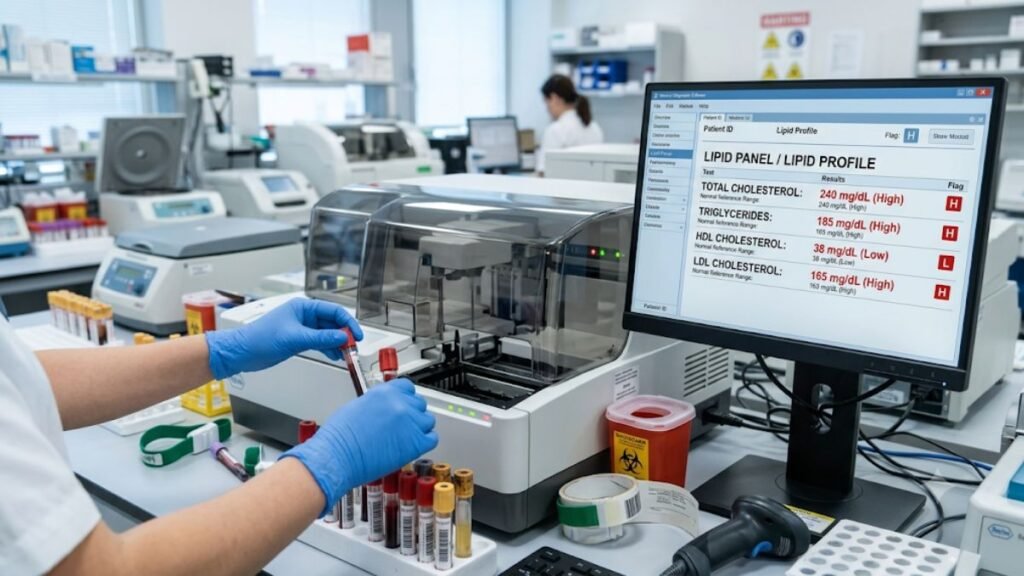
Doctors generally diagnose dyslipidemia through a lipid profile blood test. This test measures:
- Total cholesterol.
- LDL cholesterol.
- HDL cholesterol.
- Triglycerides.
Depending on the patient’s medical history, doctors may also recommend blood glucose testing, thyroid function tests, and other investigations. The results help determine the patient’s cardiovascular risk and the need for treatment.
Why Is Dyslipidemia Dangerous for Heart Patients?
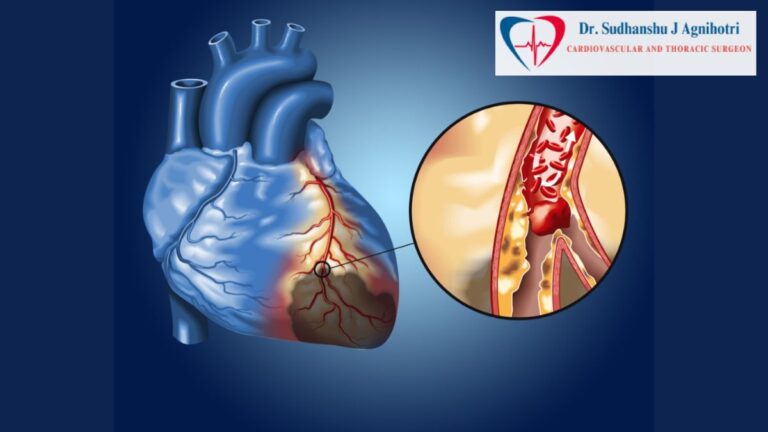
Dyslipidemia is particularly concerning for people who already have heart disease. High LDL cholesterol can contribute to plaque formation inside the coronary arteries. Over time, these deposits may narrow the arteries and reduce the oxygen-rich blood supply to the heart.
For patients with existing blockages or a history of heart attacks, uncontrolled lipid levels can increase the risk of further cardiovascular complications. Therefore, Dyslipidemia Treatment is an important part of long-term heart care.
How Does Dyslipidemia Increase the Risk of Cardiovascular Diseases?
The connection between dyslipidemia and heart disease is closely related to atherosclerosis, a condition in which fatty deposits build up inside artery walls.
As plaque accumulates, arteries become narrower and less flexible. If a plaque ruptures, a blood clot may form and suddenly block blood flow. When this happens in a coronary artery, it can cause a heart attack.
Appropriate Dyslipidemia Treatment helps control lipid levels and reduce the risk of these complications. Depending on individual risk, doctors may prescribe cholesterol-lowering medicines such as statins alongside lifestyle modifications.

What Should Heart Patients Eat to Manage Dyslipidemia?
A heart-friendly diet can support cholesterol management and overall cardiovascular health. Patients should consider including:
- Fresh fruits and vegetables: Provide fibre, vitamins, and antioxidants.
- Whole grains: Oats, brown rice, and whole wheat support healthy cholesterol levels.
- Healthy fats: Nuts, seeds, and olive or mustard oil in moderate quantities.
- Lean protein: Pulses, beans, fish, and other suitable protein sources.
- High-fibre foods: Help reduce the absorption of cholesterol.
Heart patients should limit fried foods, processed snacks, sugary drinks, and foods high in saturated and trans fats. Dietary changes should be planned according to individual medical needs.
How Can Dr. Sudhanshu Agnihotri Help Patients with Heart Health?
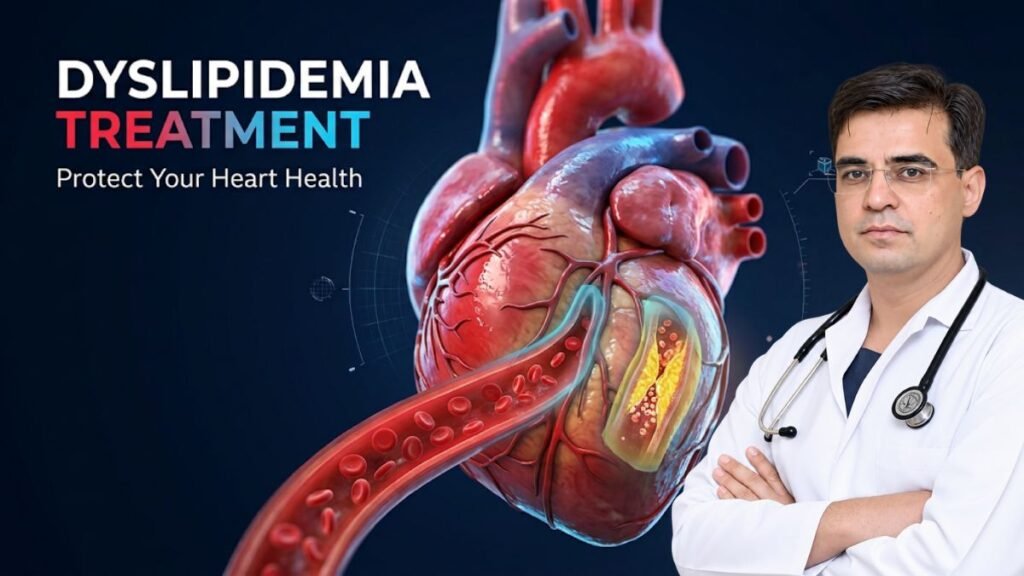
Dr. Sudhanshu J. Agnihotri is an experienced cardiac surgeon in Indore who focuses on the diagnosis and surgical management of various heart conditions.
- He holds MS and MCh qualifications in Cardiovascular and Thoracic Surgery (CVTS).
- He has over 21 years of experience in cardiac surgery.
- His surgical expertise includes CABG (bypass surgery), valve repair and replacement, and minimally invasive cardiac procedures.
- He has experience managing complex cardiac conditions requiring specialised surgical care.
- He is associated with Choithram Hospital & Research Centre, Indore.
Patients with abnormal cholesterol levels or existing heart conditions should consult an appropriate healthcare professional for individualised assessment and management.
Conclusion
Dyslipidemia may develop silently, but its long-term effects on heart health should never be ignored. Regular lipid profile testing, healthy eating, physical activity, and timely medical advice can make a significant difference.
Dyslipidemia Treatment is not limited to lowering cholesterol; it also involves reducing cardiovascular risks and protecting long-term heart health. Early awareness and consistent care can help prevent serious complications.