
Diet for Heart Patients: 8 Common Food and Drink

A healthy heart depends not only on proper medical care but also on the right eating habits. Following the right diet for heart patients can help control blood pressure, cholesterol, blood sugar, and body weight while lowering the risk of future heart problems. However, many people are confused about everyday foods and drinks. Questions like whether eggs are safe, if milk can be consumed at night, or whether alcohol is allowed are very common.
According to Dr. Sudhanshu Agnihotri, Top Cardiac Surgeon in Indore, a balanced lifestyle combined with a well-planned diet for heart patients plays a vital role in improving heart health and supporting recovery after heart surgery or treatment. Here are the answers to eight frequently asked questions.

1. Is a Boiled Egg Good for Heart Patients?
Yes, a boiled egg can be part of a healthy diet for heart patients when eaten in moderation. Eggs are an excellent source of high-quality protein, vitamins, and minerals that help maintain muscle strength and overall health.
For most people with stable heart conditions, eating one egg a day is generally considered safe. However, individuals with uncontrolled cholesterol levels or certain medical conditions should follow their doctor’s advice. Instead of frying eggs in butter or oil, choose boiled or poached eggs for a healthier option.

2. Is Creatine Safe for Heart Patients?
Creatine is a popular supplement used to improve exercise performance, but it is not necessary for most heart patients. While some studies suggest creatine may be safe for healthy individuals, there is limited evidence regarding its long-term safety in people with heart disease.
Before taking creatine or any dietary supplement, consult your cardiologist. A balanced diet for heart patients usually provides the nutrients needed without relying on supplements unless they are medically recommended.

3. Can Heart Patients Drink Milk at Night?
Yes, heart patients can usually drink milk at night, provided they choose low-fat or skimmed milk. Milk contains calcium, protein, and other essential nutrients that support overall health.
Avoid full-fat milk if you have high cholesterol or are trying to lose weight. Also, avoid adding excessive sugar or flavored syrups. A small glass of warm low-fat milk before bedtime may even promote better sleep for some individuals.
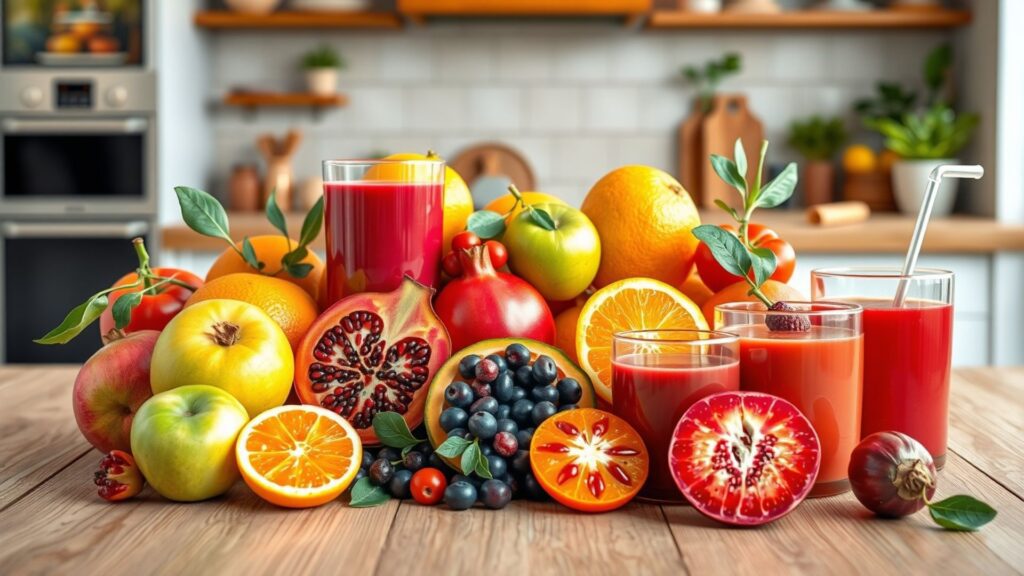
4. Which Juice Is Good for Heart Patients?
Fresh fruit and vegetable juices without added sugar are the healthiest choices. Some excellent options include:
- Pomegranate juice
- Tomato juice
- Beetroot juice
- Orange juice (in moderation)
- Mixed vegetable juice
Whole fruits are generally a better option because they contain fiber, which helps regulate blood sugar and cholesterol. Packaged juices often contain added sugar and should be limited. Choosing natural beverages is an important part of a healthy diet for heart patients.
5. Which Fruits Help Keep the Heart Healthy?
Fruits are rich in antioxidants, vitamins, minerals, and dietary fiber. They help reduce inflammation and support healthy blood vessels.
Some of the best fruits for heart health include:
- Apples
- Berries (strawberries, blueberries)
- Oranges
- Pomegranates
- Papaya
- Guava
- Kiwi
- Bananas (in moderation, depending on potassium needs)
Including a variety of fruits every day is an essential component of a balanced diet for heart patients.

6. Is It Safe for Heart Patients to Drink Hot Water?
Yes. Drinking warm or hot water is generally safe for heart patients. While hot water itself does not directly improve heart function, staying well hydrated supports proper circulation and overall body function.
However, avoid water that is extremely hot, as it may cause discomfort or burns. The most important goal is to drink enough fluids throughout the day unless your doctor has advised fluid restriction due to heart failure or another medical condition.
7. Are Spicy Foods Suitable for Heart Patients?
Spicy foods are not automatically harmful to the heart. Mild spices such as turmeric, ginger, garlic, cumin, and black pepper can even provide health benefits when used in moderation.
The real concern is that many spicy dishes are also high in salt, oil, butter, or saturated fat, which may negatively affect heart health. Instead of avoiding spices completely, prepare meals with fresh ingredients, less salt, and healthier cooking methods. This approach supports a healthier diet for heart patients.

8. Is It Okay for a Heart Patient to Drink Alcohol?
Alcohol should be consumed with great caution. For many heart patients, avoiding alcohol altogether is the safest choice. Alcohol may increase blood pressure, interact with heart medications, contribute to irregular heart rhythms, and add unnecessary calories.
If you already have heart disease, never assume that alcohol is beneficial simply because of information you may have heard. Always discuss alcohol consumption with your cardiologist, as recommendations vary based on your medical condition and medications.

Simple Diet for Heart Patients
In addition to answering these common questions, remember these daily habits:
- Eat more vegetables, fruits, and whole grains.
- Choose lean proteins such as fish, pulses, and skinless chicken.
- Limit salt, sugar, and processed foods.
- Avoid trans fats and reduce saturated fat intake.
- Stay physically active as advised by your doctor.
- Drink enough water and maintain a healthy body weight.
- Attend regular heart check-ups.
Following these simple habits makes your diet for heart patients more effective and supports long-term cardiovascular health.
Conclusion
Good nutrition is one of the most powerful tools for protecting your heart. Making informed choices about eggs, milk, fruits, juices, spicy foods, supplements, and alcohol can significantly improve your overall well-being. A balanced diet for heart patients, combined with regular exercise, medication adherence, and routine medical check-ups, can help reduce the risk of future heart complications.
As Dr. Sudhanshu Agnihotri, Top Cardiac Surgeon in Indore, emphasizes, there is no single food that guarantees a healthy heart. Instead, consistent healthy eating habits, portion control, and personalized medical guidance are the keys to maintaining strong cardiovascular health for years to come.