
Is Black Coffee Good for the Heart? Benefits, Daily Intake, and Precautions

Is Black Coffee Good for the Heart? Benefits & Risks
Black coffee is a popular morning beverage for people who want to feel refreshed and energetic. Since it contains caffeine and antioxidants, many people wonder whether drinking it daily can support heart health or increase the risk of heart problems. The answer depends on how much you drink, your overall health, and your sensitivity to caffeine.
So, Is black coffee good for the heart? Moderate consumption may be suitable for many healthy adults, but black coffee is not a treatment for heart disease. Understanding its benefits, safe intake, and precautions can help you make an informed decision.

1. What Does Black Coffee Contain?
Black coffee is prepared using coffee beans and water, without adding milk, cream, sugar, or other ingredients. It contains caffeine, antioxidants such as chlorogenic acids, and small amounts of minerals.
Caffeine stimulates the nervous system and may temporarily improve alertness and concentration. Antioxidants help protect cells from oxidative stress. However, the nutritional composition and caffeine content vary depending on the coffee beans, serving size, and brewing method.
For people asking, Is black coffee good for the heart?, it is important to remember that its potential benefits depend on individual health and drinking habits.
2. Is Drinking Black Coffee Good for Heart Health?
Moderate coffee consumption has been associated with a lower risk of certain cardiovascular conditions in some observational studies. However, this does not prove that coffee itself prevents heart disease.
For most healthy adults, moderate black coffee consumption can be part of a balanced lifestyle. However, excessive caffeine may cause a fast heartbeat, palpitations, anxiety, or sleep disturbances in sensitive individuals.
Heart specialist in Indore, Dr. Sudhanshu J. Agnihotri, can help patients understand how their existing heart condition, symptoms, and medications may influence their caffeine intake.
Therefore, when considering Is black coffee good for the heart?, remember that regular exercise, a balanced diet, adequate sleep, and control of blood pressure and cholesterol remain essential for cardiovascular health.

3. How Much Black Coffee Should You Drink in a Day?
For most healthy adults, up to 400 mg of caffeine per day is generally considered an amount unlikely to cause harm. This is a general guideline, not a target everyone needs to reach.
Depending on its strength and serving size, a cup of black coffee may contain approximately 80–150 mg of caffeine or more. Therefore, two to three cups may already provide a substantial amount of caffeine.
Keep these precautions in mind:
- Avoid drinking excessive amounts throughout the day.
- Reduce your intake if you experience palpitations, anxiety, or sleep problems.
- Remember that tea, energy drinks, chocolate, and some medicines may also contribute caffeine.
- Pregnant women should generally limit caffeine to no more than 200 mg daily, unless their healthcare professional advises otherwise.
4. Can Heart Patients Drink Black Coffee in the Morning?
Some people with stable heart conditions may tolerate moderate coffee consumption, while others may need to limit or avoid caffeine. The answer depends on the diagnosis, symptoms, treatment, and individual response.
Patients with certain arrhythmias, frequent palpitations, or poorly controlled heart conditions should discuss their coffee intake with their treating clinician. Drinking coffee on an empty stomach is not necessarily harmful to everyone, but it may trigger acidity or discomfort in some people.
If you have undergone heart surgery or are taking heart-related medications, ask your doctor whether caffeine is appropriate for you. Dr. Sudhanshu J. Agnihotri, a heart specialist in Indore, can assess individual concerns and provide guidance based on a patient’s clinical needs.
5. Is Black Coffee Good for High Blood Pressure?
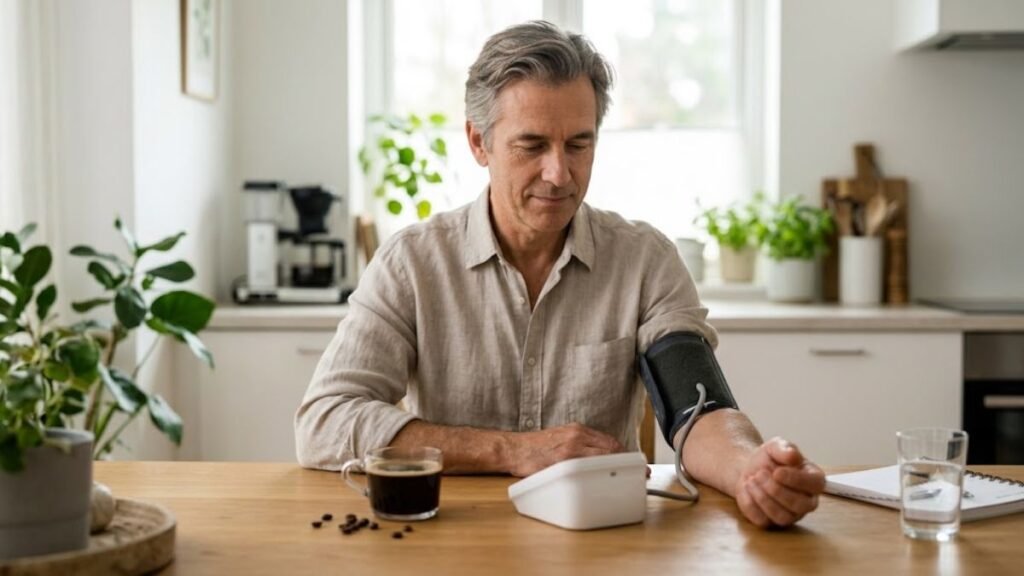
Caffeine can temporarily raise blood pressure, particularly in people who do not consume it regularly or who are sensitive to its effects. The response differs from person to person.
People with high blood pressure should monitor their readings and observe whether coffee affects them. If blood pressure is uncontrolled, seek medical advice before increasing caffeine intake.
Avoid adding excessive sugar or high-calorie flavourings. Most importantly, do not replace prescribed blood pressure medicines with coffee or any other beverage.
6. Can People With Diabetes Drink Black Coffee?
Unsweetened black coffee contains very few calories and virtually no sugar, making it a possible beverage choice for many people with diabetes. However, caffeine may affect blood glucose responses differently among individuals.
Avoid adding sugar, sweetened syrups, or sugary creamers. Monitor your blood glucose levels if you notice changes after drinking coffee, and discuss any consistent pattern with your healthcare professional.
People with diabetes should also focus on medication adherence, balanced meals, regular physical activity, and routine health check-ups.

7. Is It Safe to Drink Black Coffee Before Exercise?
Black coffee may improve alertness and exercise performance because caffeine can reduce the perception of effort. Some adults drink it approximately 30–60 minutes before a workout.
However, it is not suitable for everyone. Caffeine may trigger palpitations, dizziness, anxiety, or discomfort in sensitive individuals. People with heart conditions should consult their doctor before using coffee as a pre-workout drink.
Drink enough water, avoid excessive caffeine, and never ignore chest pain, unusual breathlessness, or faintness during exercise.
8. Is It Safe for Children to Drink Coffee?
Coffee is generally not recommended as a routine beverage for children because caffeine can interfere with sleep and may cause restlessness, anxiety, or a rapid heartbeat. Children and adolescents are more vulnerable to caffeine’s effects.
Water and age-appropriate nutritious beverages are better everyday choices. Avoid giving children energy drinks and other highly caffeinated products.
Conclusion
So, Is black coffee good for the heart? For many healthy adults, moderate consumption of unsweetened black coffee can fit into a heart-conscious lifestyle. However, its effects vary according to caffeine sensitivity, blood pressure, existing medical conditions, and overall intake.
For personalised guidance, consult a qualified healthcare professional. Heart specialist in Indore, Dr. Sudhanshu J. Agnihotri, can help patients understand heart-health concerns and the importance of appropriate lifestyle choices. Remember, no single beverage can replace a balanced diet, regular exercise, good sleep, and proper medical care.