Why Aspirin for a Heart Attack? Know from Indore heart surgeon Dr. Sudhanshu Agnihotri
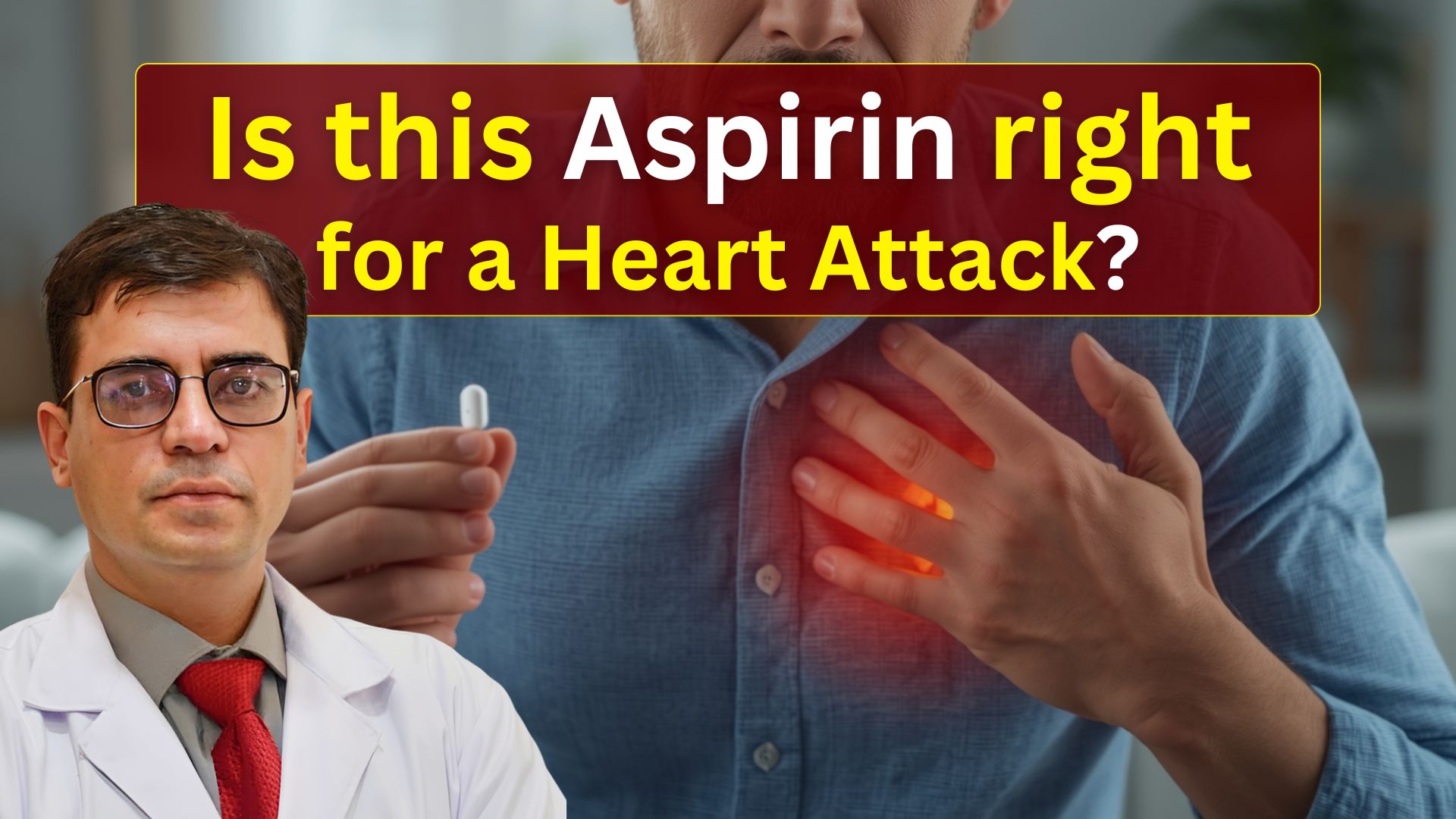
Why Aspirin for a Heart Attack? Know Its Benefits, the Right Time and the Right Way to Take It
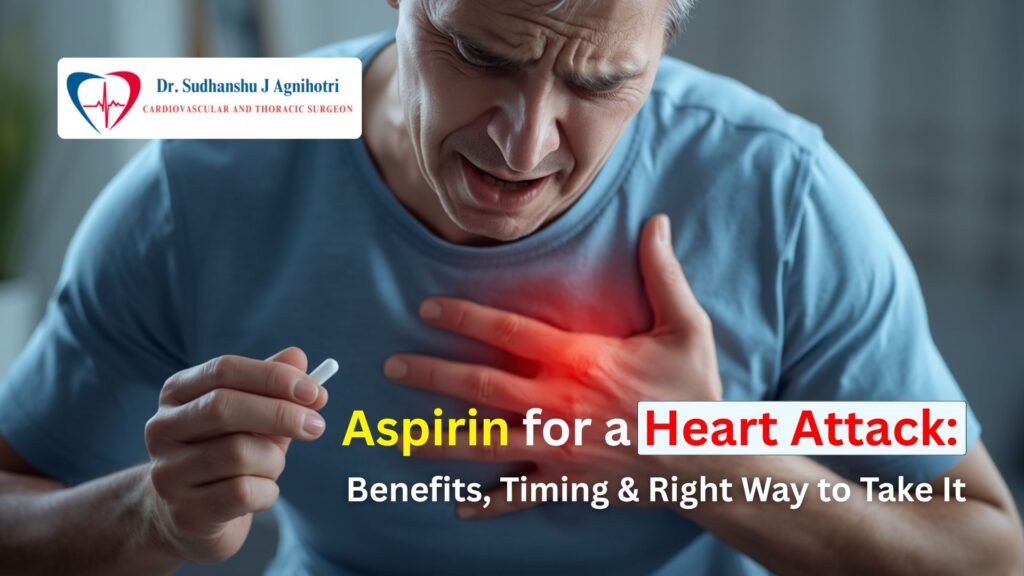
When a heart attack strikes, every minute matters. Simple, timely actions can save heart muscle and even a life. One such life-saving medicine is aspirin. According to Indore heart surgeon Dr. Sudhanshu Agnihotri, understanding the importance of aspirin for a heart attack can help people respond correctly during an emergency and improve long-term heart health.
Why doctors talk about aspirin during a heart emergency
A heart attack usually occurs when a blood clot suddenly blocks an artery supplying the heart. In such situations, doctors often recommend aspirin for a heart attack because it is easily available, fast-acting, and proven to reduce complications when taken at the right time. However, aspirin is not a painkiller solution—it works on the blood and clotting process, which makes it extremely valuable in cardiac emergencies.

What is the function of aspirin during a heart attack?
The primary function of aspirin for a heart attack is to prevent blood platelets from sticking together. During a heart attack, platelets rush to the blocked artery and form a clot that worsens the blockage. Aspirin slows this process and helps keep blood flowing through the narrowed artery.
Dr. Sudhanshu Agnihotri explains that by reducing clot growth, aspirin helps limit damage to the heart muscle until advanced medical treatment like angioplasty or clot-removing medicines can be given.
Why is aspirin recommended immediately when a heart attack is suspected?
Time plays a crucial role in heart attack survival. The sooner aspirin is taken, the better the outcome. Immediate use of aspirin for a heart attack can reduce the risk of severe complications, cardiac arrest, and even death.
Dr. Agnihotri emphasizes that aspirin works best when taken at the first sign of symptoms such as chest pressure, pain radiating to the arm or jaw, shortness of breath, or sudden sweating—provided the person is not allergic to it and has no known contraindications.
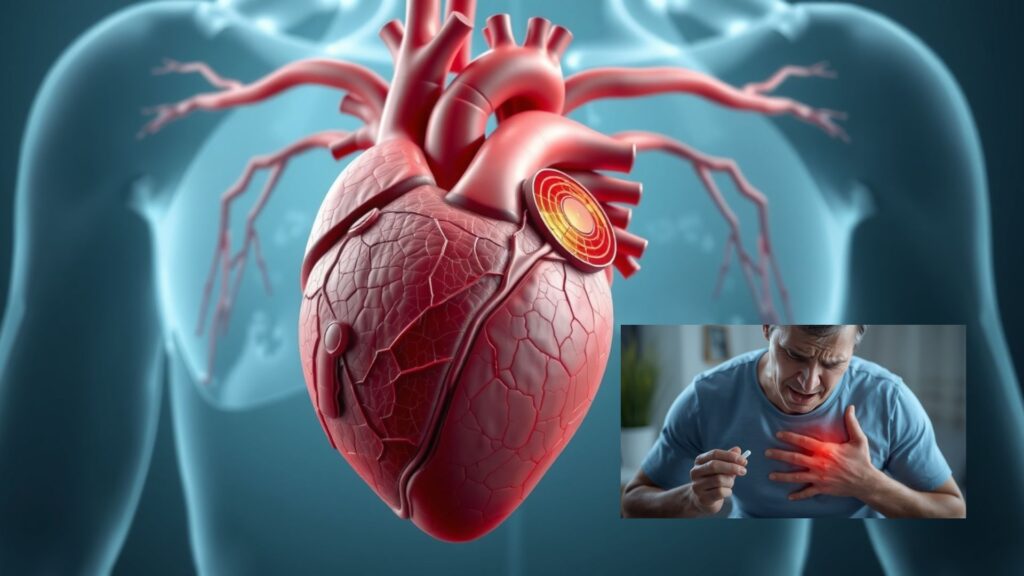
How does aspirin work to reduce damage during a heart attack?
The benefit of aspirin for a heart attack lies in its antiplatelet action. Aspirin blocks an enzyme that makes platelets sticky. As a result, the existing clot grows more slowly, and small channels may open within the blockage, allowing partial blood flow.
This reduced clot activity helps protect heart tissue from permanent damage and improves the effectiveness of emergency cardiac treatments given later at the hospital.
What role does aspirin play in preventing future heart attacks?
Beyond emergency care, aspirin for a heart attack also plays a preventive role. For patients who have already suffered a heart attack or have high cardiovascular risk, low-dose aspirin may be prescribed long term.
Dr. Sudhanshu Agnihotri notes that regular aspirin therapy, when advised by a cardiologist, can lower the chances of future heart attacks by preventing new clots from forming. However, it should never be started on your own, as unnecessary use can increase bleeding risk.

What is the correct way to take aspirin in case of a heart attack?
The correct use of aspirin for a heart attack is just as important as taking it on time. Dr. Agnihotri recommends:
- Use plain aspirin, not enteric-coated
- Chew the tablet instead of swallowing it whole
- Typical emergency dose is 160–325 mg, unless advised otherwise
- Do not take aspirin if there is a known allergy or active bleeding disorder
Chewing allows the medicine to enter the bloodstream faster, giving quicker protection to the heart.
Final words from Dr. Sudhanshu Agnihotri
In summary, aspirin for a heart attack is a simple yet powerful first-aid step that can save lives when used correctly. Knowing when and how to take it can make a significant difference before reaching the hospital.
Dr. Sudhanshu Agnihotri, a leading heart surgeon in Indore, strongly advises public awareness about aspirin for a heart attack, while reminding everyone that it is not a substitute for emergency medical care. If heart attack symptoms appear, take action immediately and seek professional help without delay.