Peripartum Cardiomyopathy: Causes, Symptoms, & Treatment
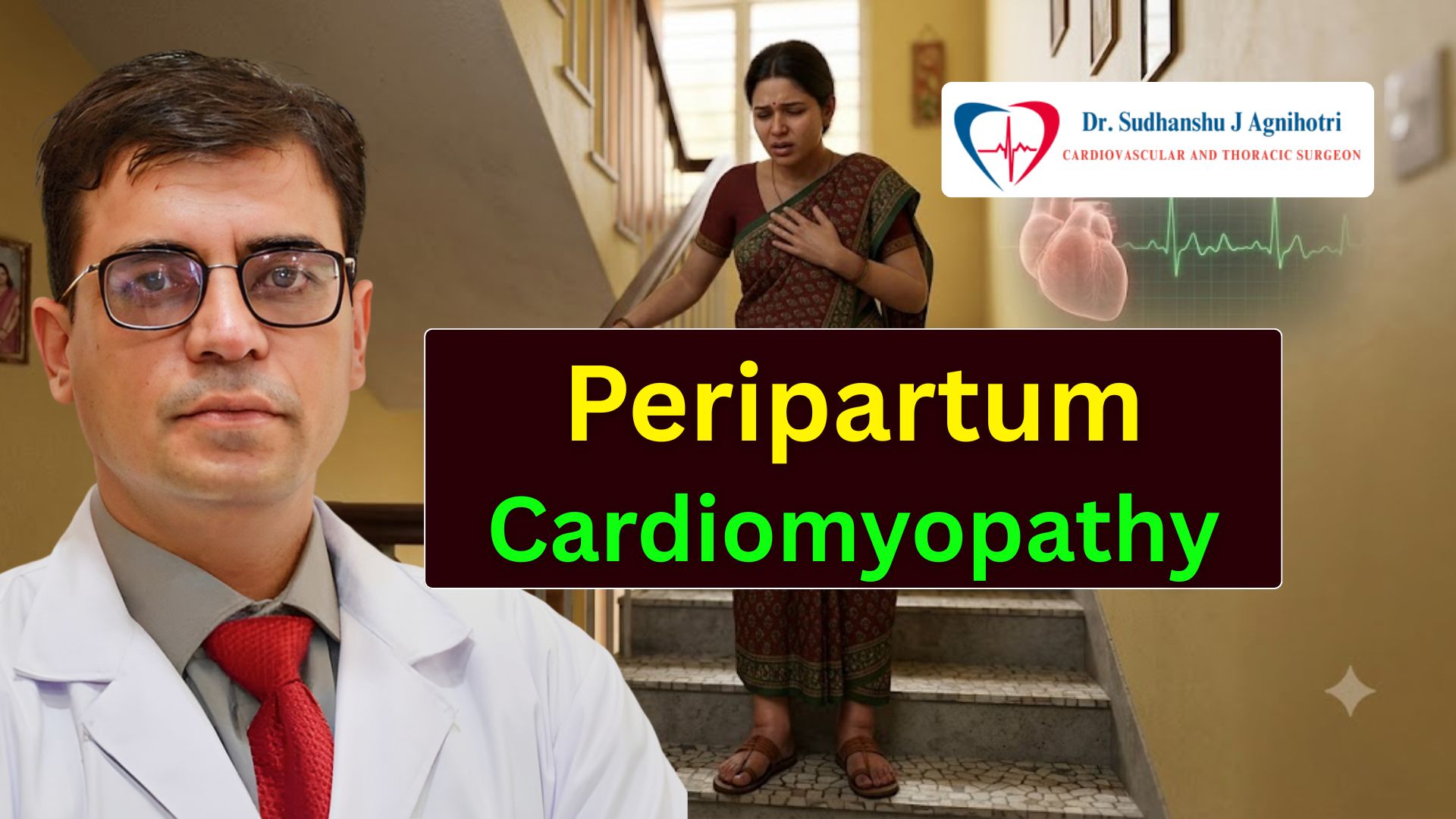
Pregnancy is a time of excitement and anticipation, but it also brings significant changes to a woman’s body, including the heart. While most women experience a healthy pregnancy, a small number may develop a rare but serious heart condition known as Peripartum Cardiomyopathy (PPCM). Because its symptoms can resemble normal pregnancy discomforts, the condition is often overlooked until it becomes severe. Raising awareness can help ensure early diagnosis and timely treatment, improving outcomes for both mother and baby.
According to Dr. Sudhanshu J. Agnihotri, Indore’s best cardiac surgeon, recognizing unusual symptoms during late pregnancy or after childbirth and seeking immediate medical attention can make a significant difference in recovery.
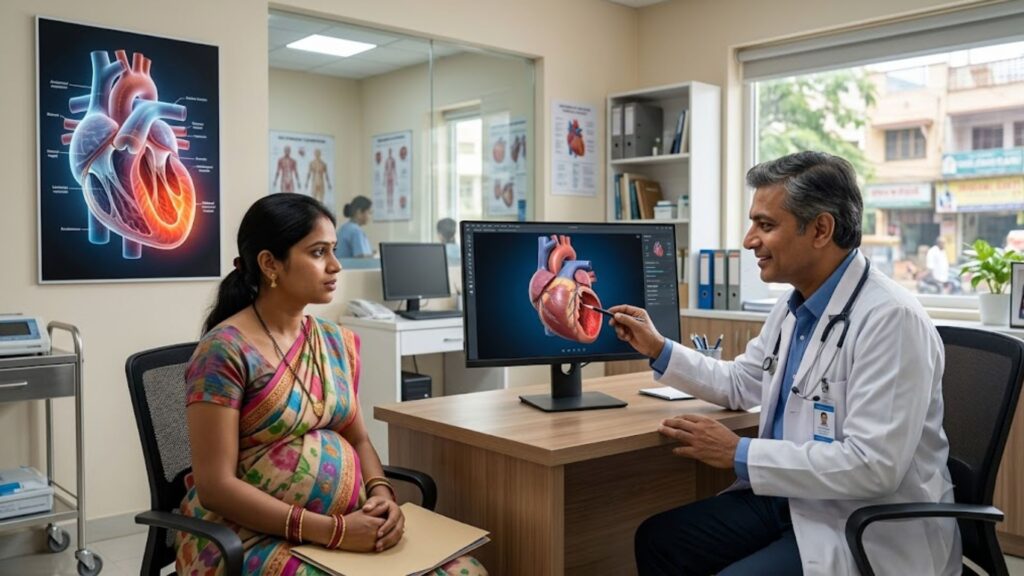
What Is Peripartum Cardiomyopathy (PPCM)?
Peripartum Cardiomyopathy is a rare form of heart failure that develops during the last month of pregnancy or within the first five months after delivery. In PPCM, the heart muscle becomes weak and enlarged, reducing its ability to pump blood efficiently throughout the body.
Unlike heart disease caused by blocked arteries, PPCM occurs without another identifiable cause of heart failure. Although it is uncommon, it requires prompt medical care because delayed treatment may lead to serious complications.
What Causes Peripartum Cardiomyopathy?
The exact cause of PPCM remains unknown, but researchers believe several factors may contribute to its development. These include:
- Abnormal immune system responses
- Inflammation of the heart muscle
- Hormonal changes during pregnancy
- Genetic predisposition
- Oxidative stress that damages heart cells
- High blood pressure during pregnancy, including preeclampsia
Rather than a single cause, PPCM is thought to result from a combination of these factors.

Who Is Most Likely to Develop Peripartum Cardiomyopathy?
Although PPCM can affect any pregnant woman, certain factors increase the risk, including:
- Age above 30 years
- Multiple pregnancies (twins or triplets)
- High blood pressure or preeclampsia
- Obesity
- Diabetes
- Previous history of PPCM
- Family history of heart disease
- Smoking or excessive alcohol consumption
Women with these risk factors should receive regular prenatal check-ups and promptly report any unusual symptoms.
What Are the Symptoms of Peripartum Cardiomyopathy?
Many symptoms of PPCM resemble normal pregnancy changes, making early diagnosis challenging. However, symptoms that are severe or persistent should never be ignored.
Common symptoms include:
- Shortness of breath during activity or while lying down
- Swelling of the feet, ankles, or legs
- Extreme fatigue
- Rapid or irregular heartbeat
- Chest discomfort
- Persistent cough, especially at night
- Sudden weight gain due to fluid retention
- Difficulty performing routine daily activities
If these symptoms worsen or appear suddenly, immediate medical evaluation is essential.

How Is Peripartum Cardiomyopathy Diagnosed?
Doctors diagnose PPCM by reviewing the patient’s medical history, symptoms, and performing several tests, including:
- Physical examination
- Electrocardiogram (ECG)
- Echocardiogram (heart ultrasound)
- Chest X-ray
- Blood tests
- Cardiac MRI in selected cases
Among these, the echocardiogram is the most important test because it measures how effectively the heart pumps blood and helps confirm the diagnosis.

How Is Peripartum Cardiomyopathy Treated?
Treatment focuses on improving heart function, relieving symptoms, and preventing complications while ensuring the safety of both mother and baby.
Treatment may include:
- Medicines to strengthen heart function
- Diuretics to reduce excess fluid
- Blood pressure-lowering medications
- Beta-blockers when appropriate
- Blood thinners in selected patients
- Low-sodium diet and fluid management
- Regular follow-up with a cardiologist
In severe cases, advanced therapies such as mechanical heart support devices or even heart transplantation may be required, although these situations are uncommon.
How Rare Is Peripartum Cardiomyopathy?
PPCM is considered a rare condition. The exact number of cases varies across countries and populations, but it affects only a small percentage of pregnancies.
Although uncommon, awareness remains crucial because delayed diagnosis increases the risk of serious complications, including severe heart failure, dangerous heart rhythm disturbances, blood clots, and, in rare cases, death.

Can Peripartum Cardiomyopathy Be Cured or Recovered From?
Many women experience significant improvement or complete recovery of heart function with early diagnosis and proper treatment. Recovery may take several months, and some women regain completely normal heart function.
However, not everyone recovers fully. Some patients continue to have reduced heart function and require lifelong monitoring and medication. Regular follow-up appointments are essential, even after symptoms improve.
Can Peripartum Cardiomyopathy Affect Future Pregnancies?
Yes. Women who have had PPCM face a higher risk of developing the condition again during future pregnancies, particularly if their heart function has not fully recovered.
Before planning another pregnancy, women should consult both a cardiologist and an obstetrician. A thorough evaluation helps determine whether pregnancy is safe and what precautions may be needed.

Can Peripartum Cardiomyopathy Be Prevented?
There is no guaranteed way to prevent PPCM because its exact cause remains unknown. However, healthy lifestyle choices may reduce overall cardiovascular risk.
Helpful measures include:
- Attending regular prenatal check-ups
- Managing high blood pressure and diabetes
- Eating a balanced diet
- Staying physically active as advised by your doctor
- Avoiding smoking and alcohol
- Reporting unusual symptoms without delay
Early medical attention remains the best strategy for reducing complications.
When Should You See a Doctor?
Seek immediate medical care if you experience:
- Severe shortness of breath
- Chest pain
- Rapid or irregular heartbeat
- Fainting
- Sudden swelling of the legs or face
- Persistent coughing with breathing difficulty
Do not assume these symptoms are simply part of pregnancy. Prompt evaluation can be lifesaving.

What Is the Difference Between Normal Pregnancy Symptoms and PPCM?
Normal pregnancy commonly causes mild swelling, tiredness, and occasional shortness of breath, especially during the third trimester. In PPCM, these symptoms become much more severe, progressive, or interfere with daily activities.
Warning signs include difficulty breathing while resting, waking up breathless at night, severe swelling, persistent cough, chest discomfort, and a racing heartbeat. These symptoms should always be assessed by a healthcare professional.
Conclusion
Peripartum Cardiomyopathy is a rare but potentially life-threatening heart condition that deserves greater public awareness. Understanding its causes, symptoms, risk factors, and treatment options can help women seek timely medical care and improve their chances of recovery.
As Dr. Sudhanshu J. Agnihotri, Indore’s best cardiac surgeon, emphasizes, early diagnosis and appropriate treatment are the keys to protecting both maternal and heart health. If you or a loved one experiences unusual symptoms during late pregnancy or after childbirth, do not ignore them. Prompt consultation with a qualified healthcare professional can make a life-saving difference.