

What Causes Aortic Dissection? Signs, Symptoms, and Treatment Options
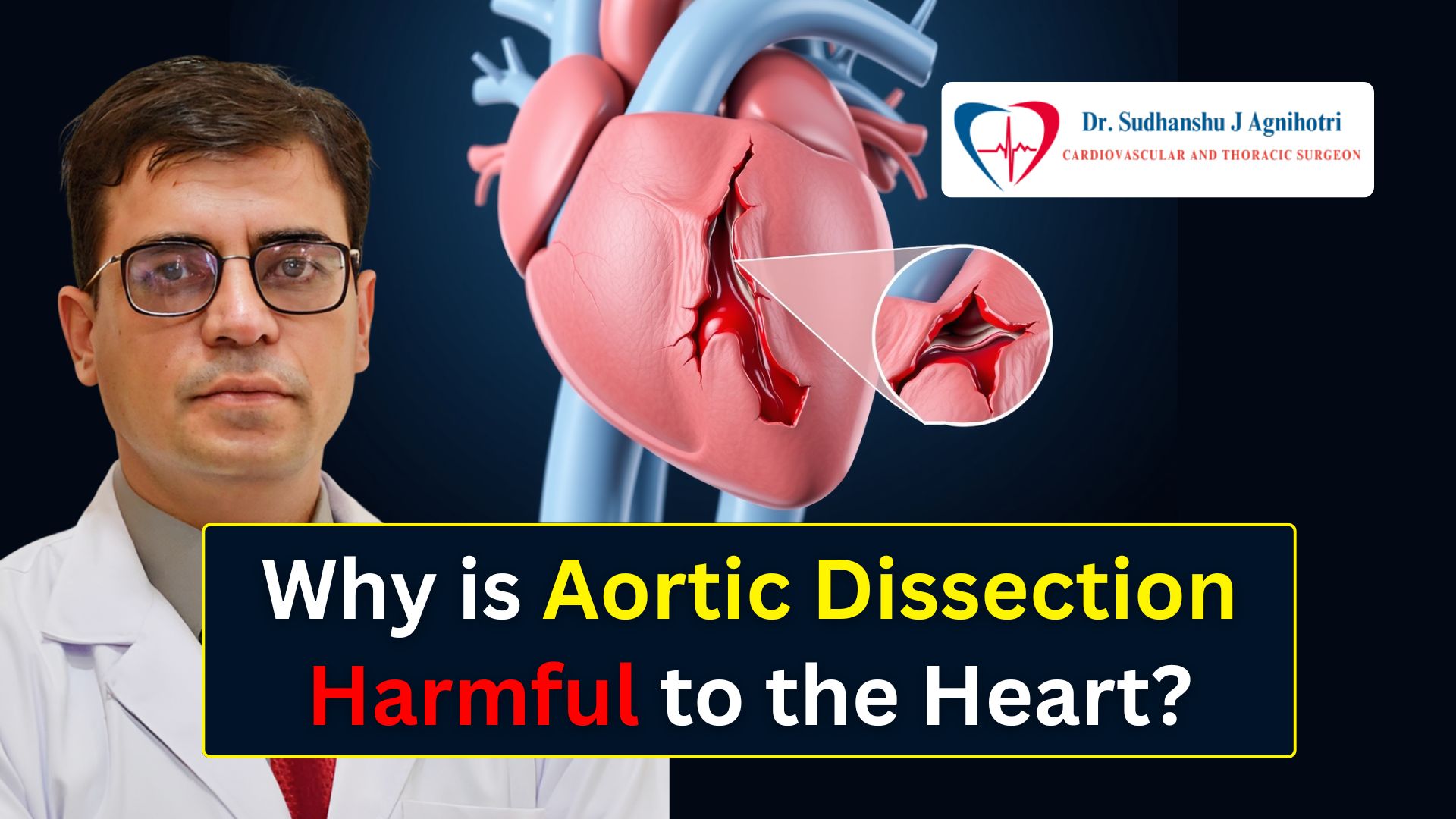
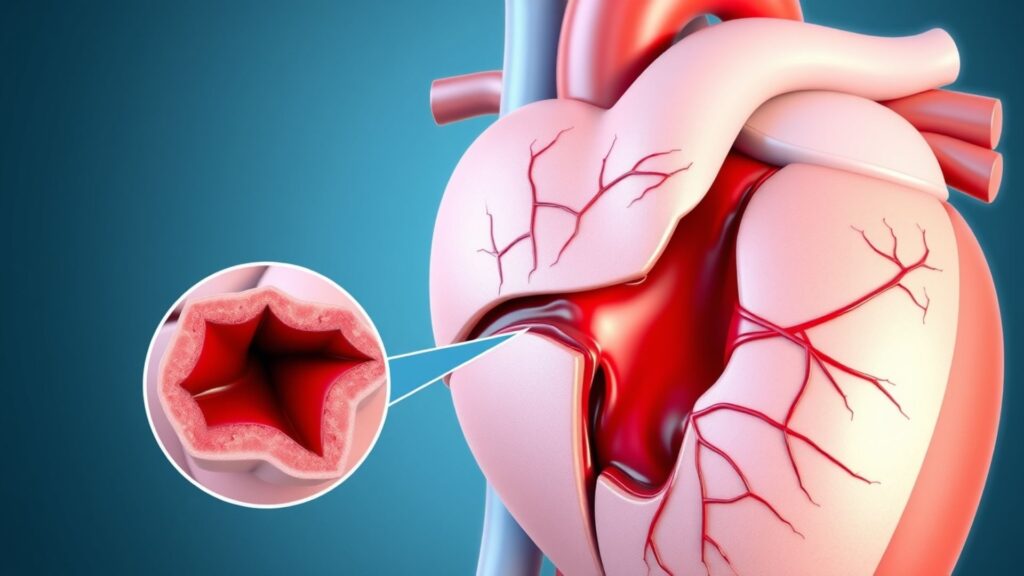
Aortic dissection is a rare but life-threatening condition that demands immediate medical attention. It occurs when the inner layer of the aorta—the main artery that carries blood from the heart to the rest of the body—tears. Once this tear develops, blood begins to flow between the layers of the aortic wall, forcing them apart. If not treated quickly, it can lead to severe complications or even death.
According to Dr. Sudhanshu J. Agnihotri, Cardiac Surgeon, early diagnosis and timely treatment play a crucial role in saving a patient’s life and preventing long-term heart damage.
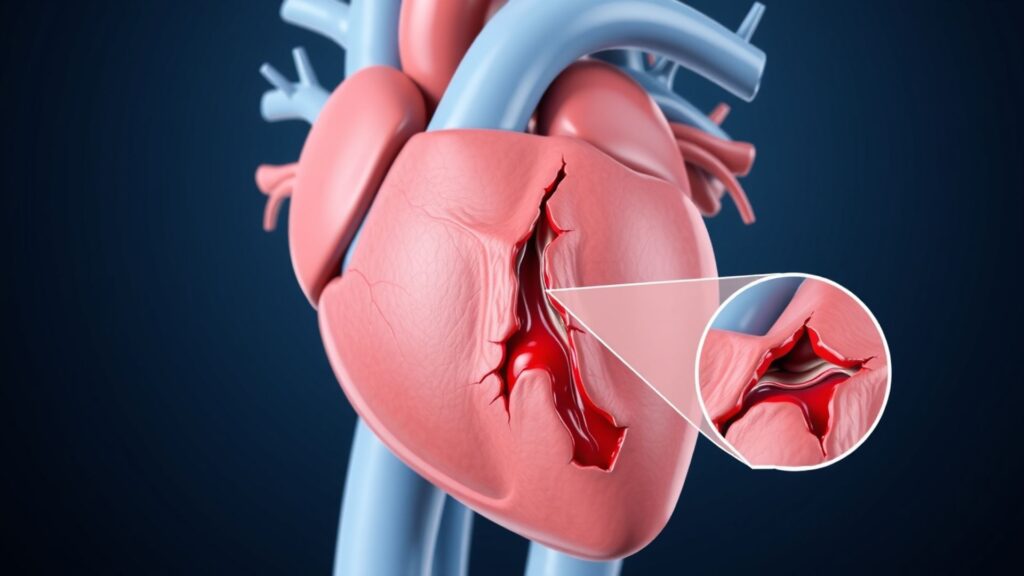
How Does Aortic Dissection Happen?
Aortic dissection usually begins with a small tear in the inner lining of the aorta. The high pressure of blood flowing through the artery causes the tear to extend further along the vessel. This creates a “false channel” where blood gets trapped between the layers of the artery wall.
As the condition progresses, the normal blood flow is disrupted, and vital organs may not receive enough oxygen-rich blood. In severe cases, the aorta can rupture, which is often fatal if not treated immediately.
What Causes Aortic Dissection?
Several factors can weaken the aortic wall and increase the risk of dissection. The most common causes include:
- High blood pressure (hypertension): Constant pressure weakens the artery walls over time.
- Atherosclerosis: Hardening of the arteries can make them more prone to tearing.
- Genetic conditions: Disorders like Marfan syndrome or connective tissue diseases can affect the strength of the aorta.
- Heart conditions: Pre-existing heart valve diseases or previous surgeries may increase risk.
- Trauma or injury: Severe chest injury can also trigger a tear in the aorta.
Cardiac Surgeon Dr. Sudhanshu J. Agnihotri emphasizes that controlling blood pressure is one of the most effective ways to reduce the risk of this condition.

Is Aortic Dissection a Heart Attack?
Aortic dissection is often confused with a heart attack because both conditions can cause sudden, severe chest pain. However, they are not the same.
- A heart attack occurs when blood flow to the heart muscle is blocked.
- An aortic dissection involves a tear in the wall of the aorta.
While the symptoms may feel similar, the treatment approach is completely different. Misdiagnosis can delay life-saving care, which is why immediate evaluation by a cardiac specialist is essential.
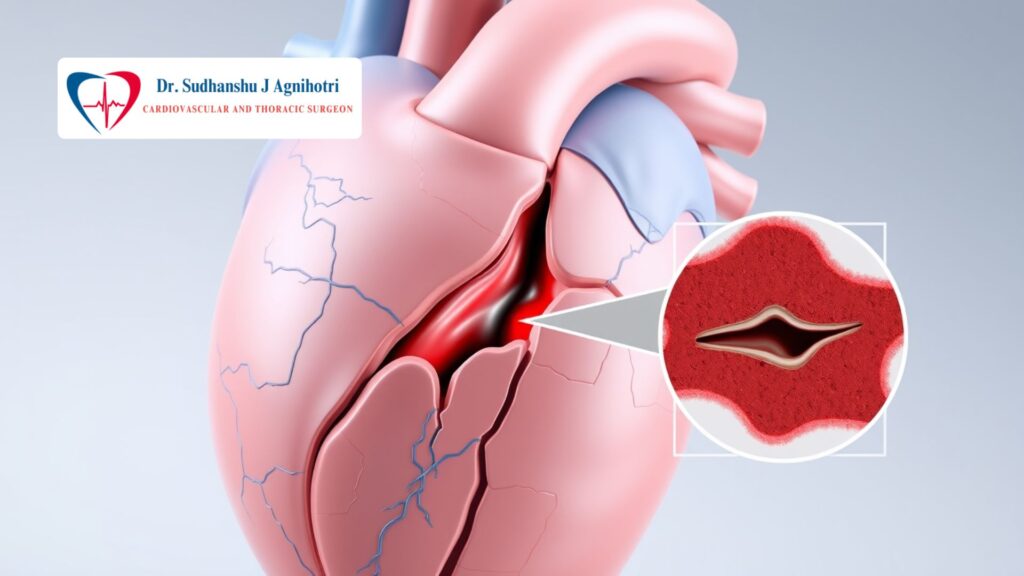
What is Type A Aortic Dissection?
Type A aortic dissection affects the ascending aorta, which is the part closest to the heart. This is considered more dangerous and requires emergency surgery.
If not treated immediately, it can lead to complications such as:
- Heart failure
- Stroke
- Rupture of the aorta
Dr. Sudhanshu J. Agnihotri, Indore’s best cardiac surgeon, explains that Type A dissection is a surgical emergency, and prompt intervention significantly improves the chances of survival.
What is Type B Aortic Dissection?
Type B aortic dissection occurs in the descending part of the aorta, which extends down through the chest and abdomen.
Unlike Type A, Type B dissection may sometimes be managed with medications, especially if there are no complications. These medications help control blood pressure and reduce stress on the aorta.
However, in severe cases, surgery or minimally invasive procedures may still be required.
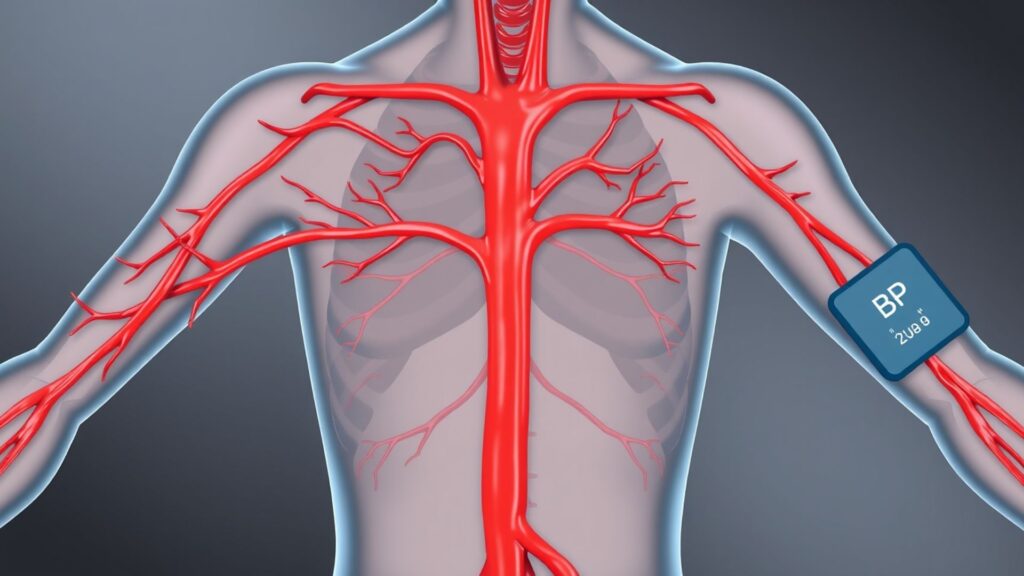
Why Does Aortic Dissection Cause a Difference in Blood Pressure in the Arms?
One unique sign of aortic dissection is a noticeable difference in blood pressure between the two arms.
This happens because the tear in the aorta can disrupt normal blood flow to one side of the body. As a result, one arm may receive less blood supply than the other, leading to unequal pressure readings.
This symptom is an important diagnostic clue and should never be ignored, especially when combined with chest or back pain.
Signs and Symptoms to Watch For
Recognizing symptoms early can save lives. Common signs include:
- Sudden, severe chest or upper back pain (often described as tearing or ripping)
- Shortness of breath
- Fainting or dizziness
- Weak pulse in one arm
- Difference in blood pressure between arms
- Stroke-like symptoms such as difficulty speaking or weakness
If any of these symptoms appear suddenly, immediate medical attention is critical.
How to Prevent Aortic Dissection?
While not all cases can be prevented, certain lifestyle changes can significantly reduce the risk:
- Control blood pressure: Regular monitoring and medication if needed
- Adopt a heart-healthy diet: Low in salt, saturated fats, and processed foods
- Exercise regularly: Moderate physical activity strengthens the cardiovascular system
- Avoid smoking and excessive alcohol consumption
- Regular health check-ups: Especially for people with a family history of heart disease
Dr. Sudhanshu J. Agnihotri advises that prevention starts with awareness and consistent care of your heart health.
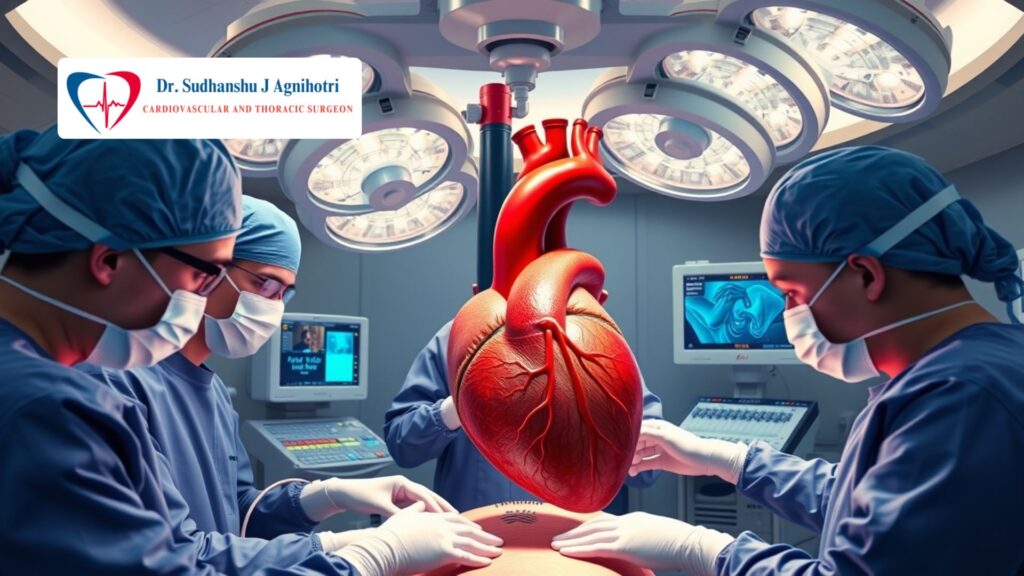
How Long Does Aortic Dissection Surgery Take?
The duration of aortic dissection surgery depends on the severity and type of the condition.
- Type A dissection surgery: Usually takes around 4 to 8 hours and is performed under emergency conditions.
- Type B procedures: May take less time if treated with minimally invasive techniques like stent placement.
Recovery time varies from patient to patient, but with proper care and follow-up, many individuals can return to a normal life.
Treatment Options for Aortic Dissection
Treatment depends on the type and severity of the dissection:
- Emergency surgery: Required for Type A cases
- Medications: To control blood pressure and heart rate
- Endovascular repair: A minimally invasive procedure using stents
- Long-term monitoring: Regular imaging tests to track the condition
Early treatment not only saves lives but also improves long-term outcomes and quality of life.
Final Thoughts
Aortic dissection is a medical emergency that should never be ignored. Understanding its causes, symptoms, and treatment options can make a life-saving difference.
With expert care from specialists like Dr. Sudhanshu J. Agnihotri, Cardiac Surgeon, timely diagnosis and advanced treatment can significantly improve survival rates and help patients lead a healthier life.
If you or someone you know experiences sudden chest pain or unusual symptoms, do not delay—seek medical help immediately.