9 Reasons to Avoid Oily Food: Myth or Dangerous Reality?
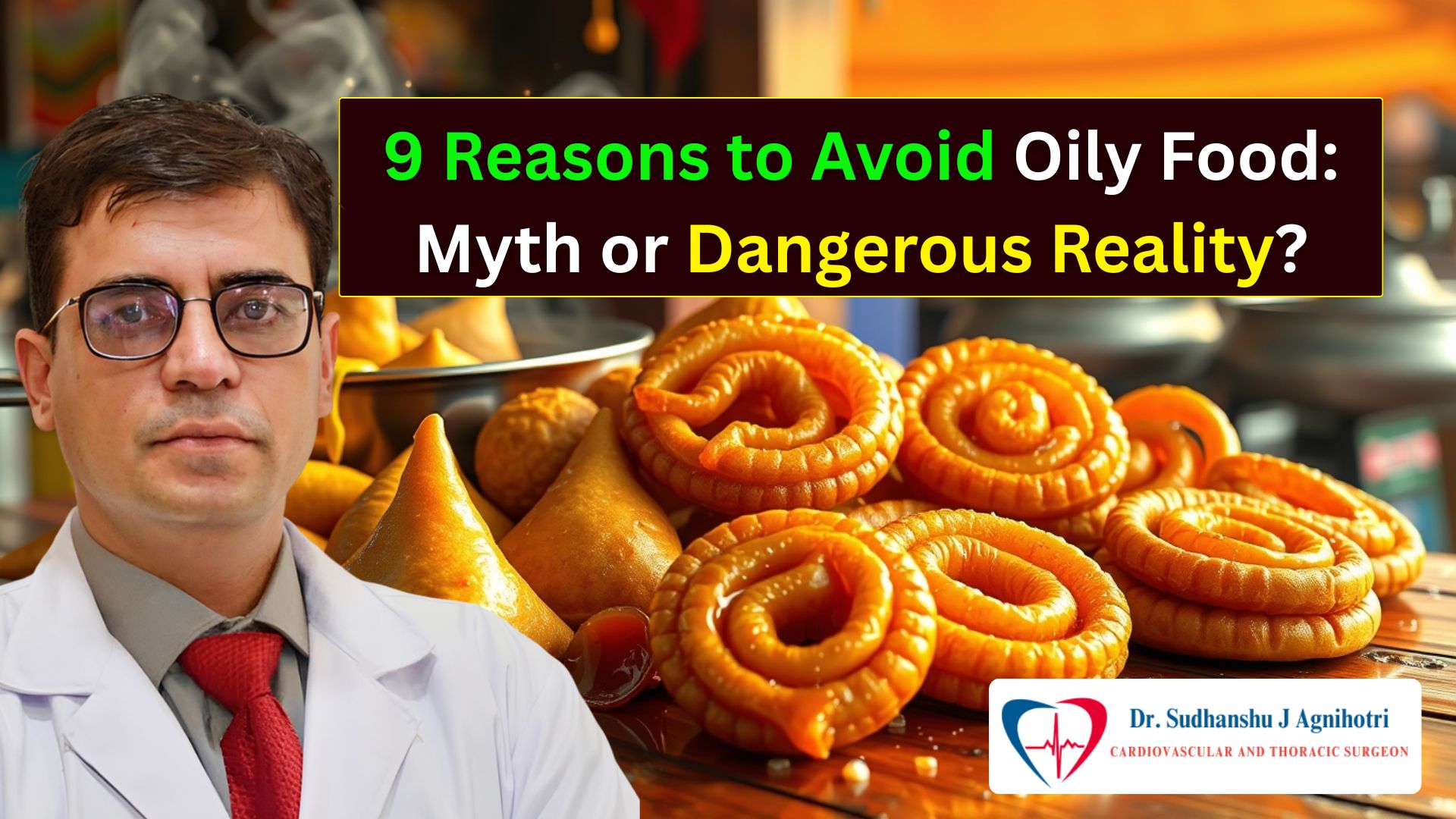
In today’s fast-paced lifestyle, oily and fried foods have become a regular part of our diet. From crispy snacks to deep-fried street food, these items may taste delicious—but are they silently harming your heart? Many people wonder whether they should truly avoid oily food or if it’s just a myth. According to cardiac surgeon indore Dr. Sudhanshu J. Agnihotri, the answer lies in understanding how oily food affects your body over time.
Let’s break down the facts and uncover the real reasons why you should avoid oily food for better heart and overall health.
1. Do Oily Foods Raise Cholesterol?
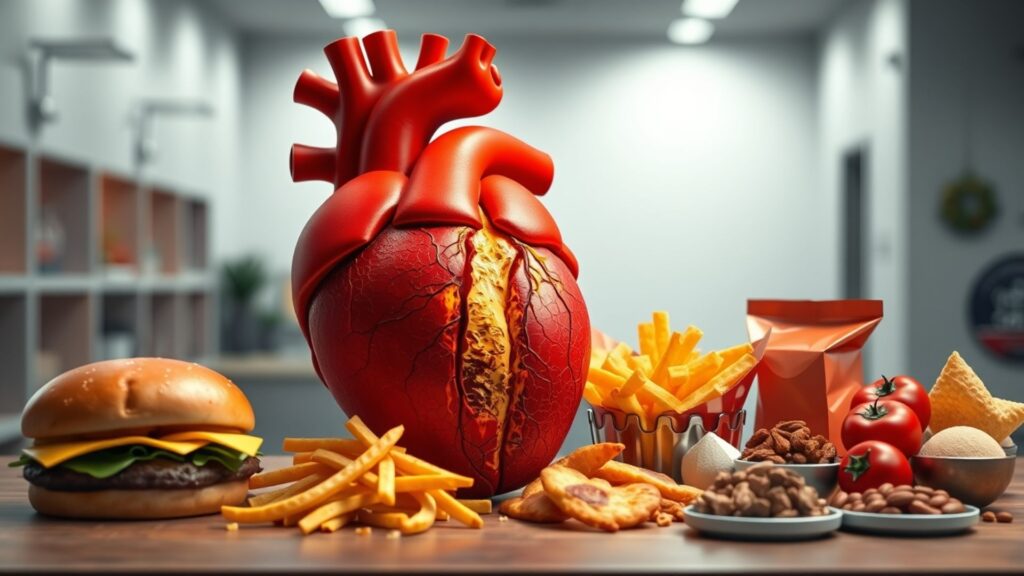
Yes, one of the biggest reasons to avoid oily food is its direct impact on cholesterol levels. Fried and oily foods are often rich in saturated and trans fats, which increase “bad” LDL cholesterol and reduce “good” HDL cholesterol. This imbalance can gradually lead to serious heart problems.
2. Do Oily Foods Thicken Heart Veins?
Oily foods don’t literally “thicken” veins, but they do contribute to plaque buildup inside arteries. Over time, this narrows the blood vessels, making it harder for blood to flow freely. This condition is known as atherosclerosis and is a major reason doctors advise patients to avoid oily food.
3. Can Oily Food Cause a Heart Attack?
The risk is real. When arteries become blocked due to fatty deposits, it can lead to a heart attack. Regular consumption of deep-fried items increases this risk significantly. As explained by best cardiac surgeon Dr. Sudhanshu J. Agnihotri, patients with poor dietary habits often face higher chances of cardiac emergencies.
4. Which Oily Foods Increase the Risk of Heart Attack?
Not all oils are equal, but certain foods are especially harmful:
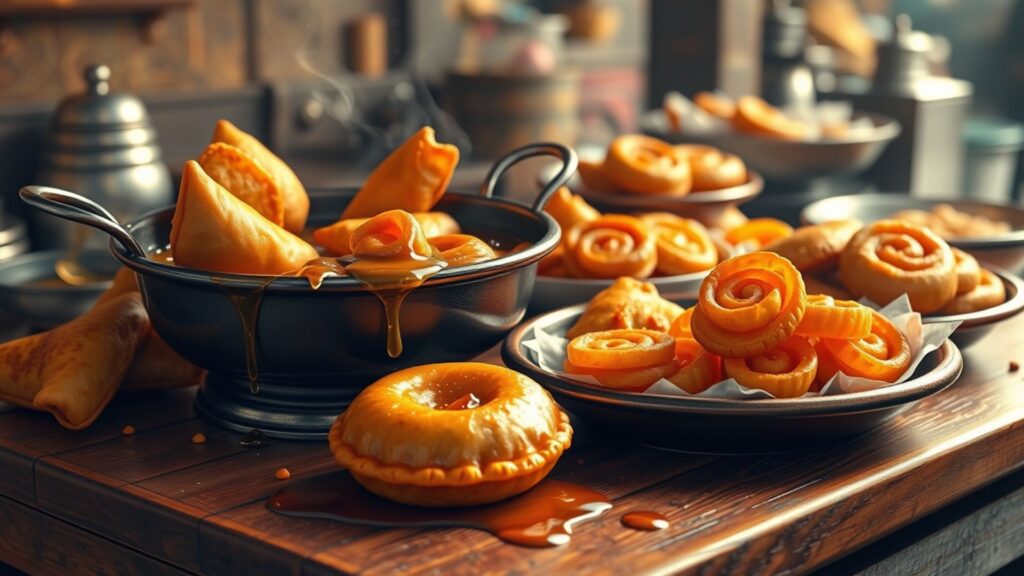
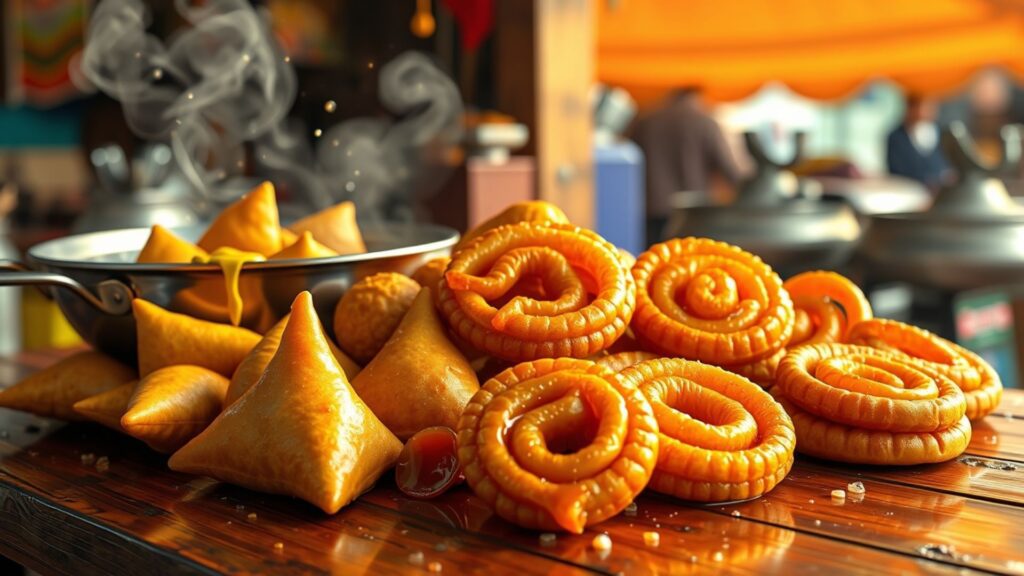
- Deep-fried snacks like samosas, pakoras, and chips
- Fast food such as burgers and fries
- Processed foods cooked in hydrogenated oils
Additionally, eating homemade kachoris, samosas, papads, and similar items can cause cholesterol to accumulate in small areas of the body, leading to cholesterol buildup in the heart’s arteries. Starting today, limit your intake of homemade oily dishes and say no to spicy street food.
5. What Happens If We Eat Too Much Oily Food?
Eating excessive oily food can lead to multiple health issues such as indigestion, acidity, and fatigue. Over time, it also affects liver function and increases the risk of chronic diseases. This is why health experts recommend avoiding oily foods in your daily diet.
6. How Does Oily Food Increase Weight and Obesity?
Oily foods are calorie-dense, meaning even small portions contain a high number of calories. When consumed regularly, they lead to weight gain and obesity. Excess body fat further increases the risk of heart disease, so avoiding oily foods becomes even more important.

7. How Does Oily Food Increase the Risk of Diabetes?
A diet high in unhealthy fats can lead to insulin resistance, a key factor in developing type 2 diabetes. Oily foods also contribute to weight gain, which further worsens blood sugar control. To maintain a healthy lifestyle, it is wise to avoid oily food and opt for a balanced diet.
8. What Happens If You Fry Oily Food More Than Once?
Reusing cooking oil is a common but dangerous practice. When oil is heated repeatedly, it releases harmful toxins and free radicals. These substances can damage your heart and increase the risk of cancer. This is another strong reason to avoid oily food, especially from outside sources where oil reuse is common.
9. How to Avoid Oily Food?
Avoiding oily food doesn’t mean sacrificing taste. Here are some simple tips:
- Choose grilled, steamed, or baked options instead of fried foods
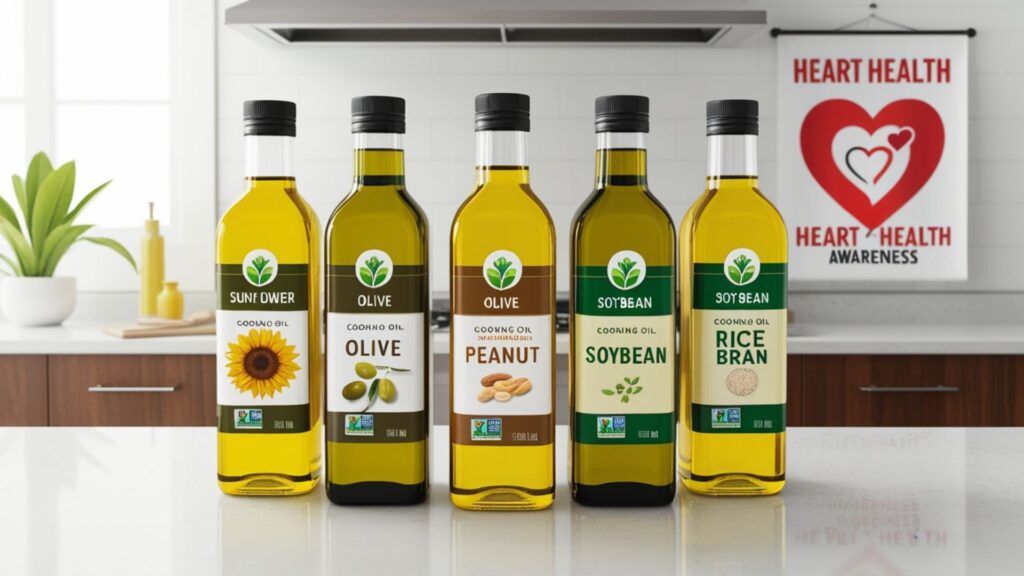
- Use healthy oils like olive oil in limited quantities
- Cook at home to control oil usage
- Replace snacks with fruits, nuts, or roasted items
When you decide to avoid oily foods consistently, even small lifestyle changes can make a big difference. It not only reflects internal changes in your body but also helps improve your external health. Limit the use of oil in your kitchen today and avoid heart attacks, cholesterol, diabetes, and many other diseases.
Final Thoughts
So, is avoiding oily food just a myth or a dangerous reality? The evidence clearly points toward reality. While occasional indulgence may not harm you, regular consumption of oily foods can lead to serious health complications, especially related to the heart.
As emphasized by Cardiac Surgeon Indore Dr. Sudhanshu J. Agnihotri, prevention is always better than cure. Making mindful dietary choices today can protect your heart tomorrow. Start small, make consistent efforts and take a step towards a healthy life by avoiding oily food.