

How Stress and Food Damage Your Heart | Expert Advice by Dr. Sudhanshu J. Agnihotri
In today’s fast-paced lifestyle, heart disease is no longer limited to older adults. More young and middle-aged people are facing cardiac problems, and two major hidden culprits are stress and food. According to Cardiac Surgeon Dr. Sudhanshu J. Agnihotri, the combination of chronic stress and unhealthy eating habits quietly damages the heart over time, often without early warning signs.
Understanding how stress and food affect heart health is the first step toward prevention.
How Stress Affects the Heart
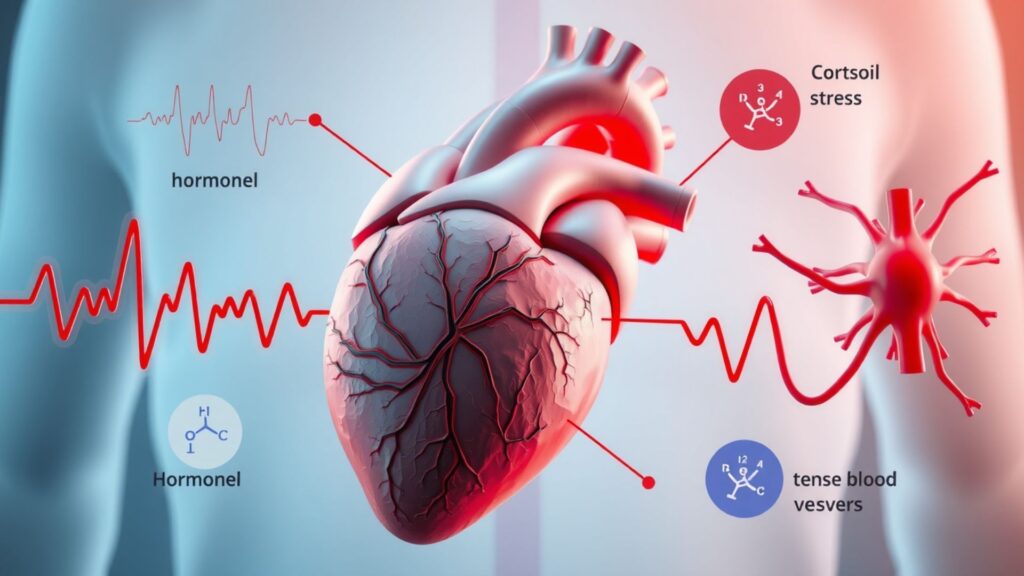
Stress is a natural response of the body, but when it becomes constant, it turns harmful. During stress, the body releases hormones like cortisol and adrenaline. These hormones increase heart rate, blood pressure, and blood sugar levels.
Long-term stress can:
- Raise blood pressure permanently
- Increase cholesterol levels
- Trigger inflammation in blood vessels
- Increase the risk of heart attack and arrhythmia
Cardiac Surgeon Dr. Sudhanshu J. Agnihotri explains that chronic stress forces the heart to work harder than normal. Over time, this extra workload weakens the heart muscles and damages arteries.
The Role of Food in Heart Damage
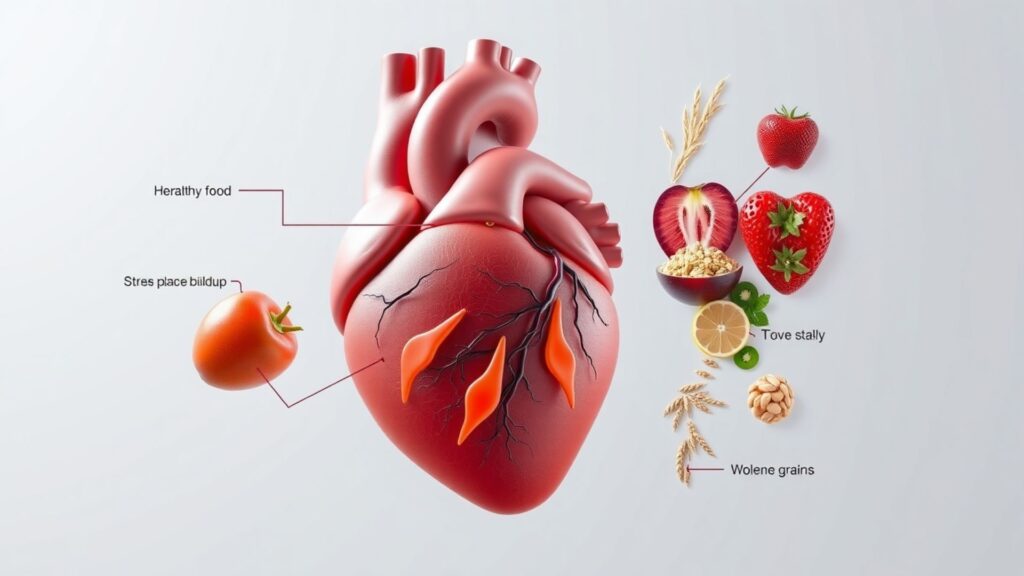
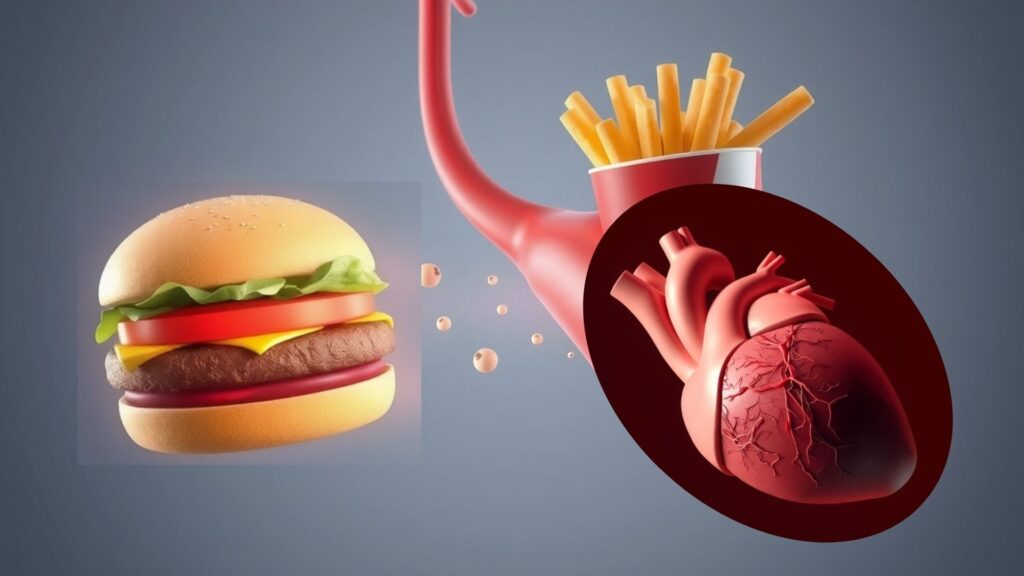
Food choices play a critical role in heart health. Diets high in salt, sugar, trans fats, and processed foods directly harm blood vessels and increase plaque formation.
Unhealthy eating habits can lead to:
- Obesity
- Diabetes
- High cholesterol
- Blocked coronary arteries
When stress and food combine — such as stress-eating junk food — the damage becomes even more severe. Emotional eating often leads to overeating, which puts additional strain on the heart.
The Dangerous Connection Between Stress and Food
Many people don’t realize how closely stress and food are linked. Stress often pushes people toward fast food, sugary snacks, and caffeine. These foods may give temporary comfort but increase inflammation and blood pressure.
According to Dr. Sudhanshu J Agnihotri, this vicious cycle of stress and food creates long-term heart risks. Stress increases cravings for unhealthy food, and unhealthy food worsens stress levels — directly impacting heart function.
Warning Signs Your Heart Is Being Affected
Ignoring early signs can be dangerous. Watch out for:
- Frequent fatigue
- Chest discomfort or heaviness
- Shortness of breath
- Palpitations
- Sudden weight gain
If these symptoms appear alongside poor diet and high stress, it may indicate early heart trouble caused by stress and food imbalance.
Expert Tips to Protect Your Heart
Dr. Sudhanshu J. Agnihotri recommends a balanced approach focusing on lifestyle changes:
- Practice stress-relief techniques like yoga, meditation, or walking
- Eat fresh, home-cooked meals
- Reduce salt, sugar, and fried foods
- Get adequate sleep
- Exercise at least 30 minutes daily
Managing stress and food together is far more effective than addressing either one alone.
Heart-Healthy Foods That Support Stress Control
Choosing the right foods can protect the heart and calm the mind. Foods rich in antioxidants, magnesium, and omega-3 fatty acids help reduce inflammation and stress.
A heart-friendly diet plays a vital role in balancing stress and food impact on the body.
Frequently Asked Questions (FAQs)
Which foods reduce stress and anxiety?
Foods that help reduce stress and anxiety include:
- Dark chocolate (in moderation)
- Nuts and seeds
- Fatty fish like salmon
- Green leafy vegetables
- Whole grains
- Yogurt and fermented foods
These foods support brain chemicals that promote calmness and also protect heart health.
Can stress alone cause heart disease?
Stress alone may not cause heart disease, but chronic stress significantly increases the risk by raising blood pressure, inflammation, and unhealthy habits like smoking or overeating.
How does junk food affect heart health?
Junk food increases bad cholesterol, causes weight gain, and promotes plaque buildup in arteries, leading to heart blockages and reduced blood flow.
Is emotional eating harmful to the heart?
Yes. Emotional eating often involves high-calorie, processed foods that worsen heart health and strengthen the negative cycle of stress and food dependency.
How can I improve heart health naturally?
Managing stress, eating a balanced diet, exercising regularly, sleeping well, and seeking expert medical advice are key steps to improving heart health naturally.
Final Thoughts
Heart health is not just about medicines or surgery — it starts with daily habits. By understanding the harmful effects of stress and food, you can take proactive steps to protect your heart. With expert guidance from Cardiac Surgeon Dr. Sudhanshu J. Agnihotri, making small but consistent lifestyle changes can lead to a healthier, stronger heart.
