
Understand Aortic Aneurysm Disease: Know Its Causes, Risks, and Treatment Options
The human aorta is the largest and most important artery in the body, carrying oxygen-rich blood from the heart to all vital organs. When a weak area develops in the wall of this artery and begins to bulge, it is known as an aneurysm. If not detected and treated in time, this condition can become life-threatening. Understanding aortic aneurysm disease, its causes, warning signs, and treatment options is essential for early diagnosis and better outcomes.
According to experienced thoracic and cardiovascular surgeons like Dr. Sudhanshu Agnihotri, early awareness and timely medical care play a critical role in preventing serious complications related to this disease.
What Is Aortic Aneurysm Disease?
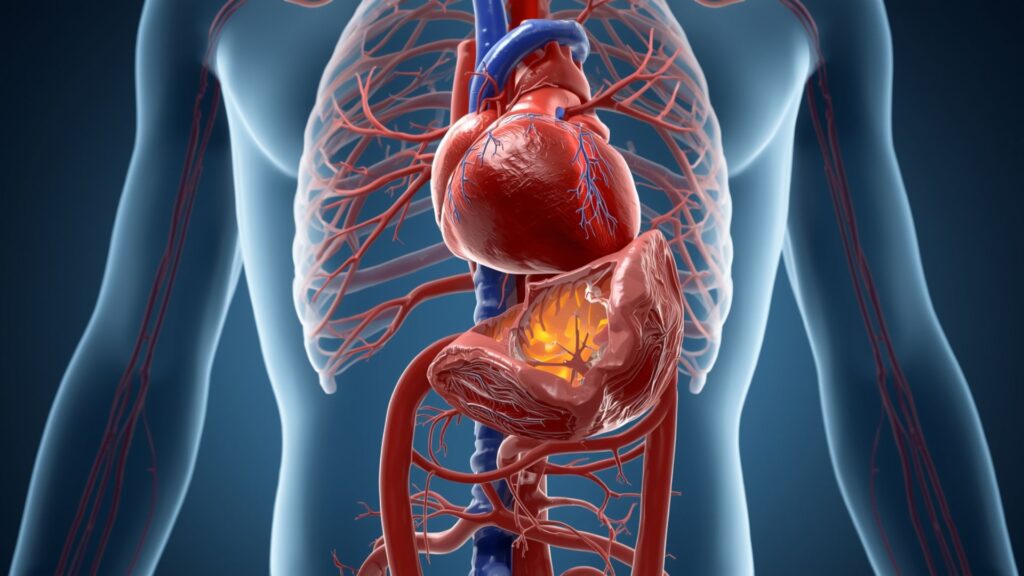
Aortic aneurysm disease refers to an abnormal enlargement or ballooning of the aorta due to weakening of its wall. It can occur in different parts of the aorta, most commonly in the chest (thoracic aortic aneurysm) or in the abdomen (abdominal aortic aneurysm).
Many patients remain asymptomatic for years, which makes routine screening and risk assessment extremely important, especially for people with known risk factors.
What Happens When an Aortic Aneurysm Ruptures or Gets Damaged?
When an aortic aneurysm ruptures, it becomes a medical emergency. A rupture leads to sudden and severe internal bleeding, causing symptoms such as intense chest or abdominal pain, dizziness, low blood pressure, and loss of consciousness. Without immediate surgical intervention, the condition can be fatal.
Dr. Sudhanshu Agnihotri emphasizes that rupture risk increases as the aneurysm grows in size, which is why regular monitoring is crucial in managing aortic aneurysm disease.
What Factors Cause an Aortic Aneurysm to Worsen or Grow Larger?
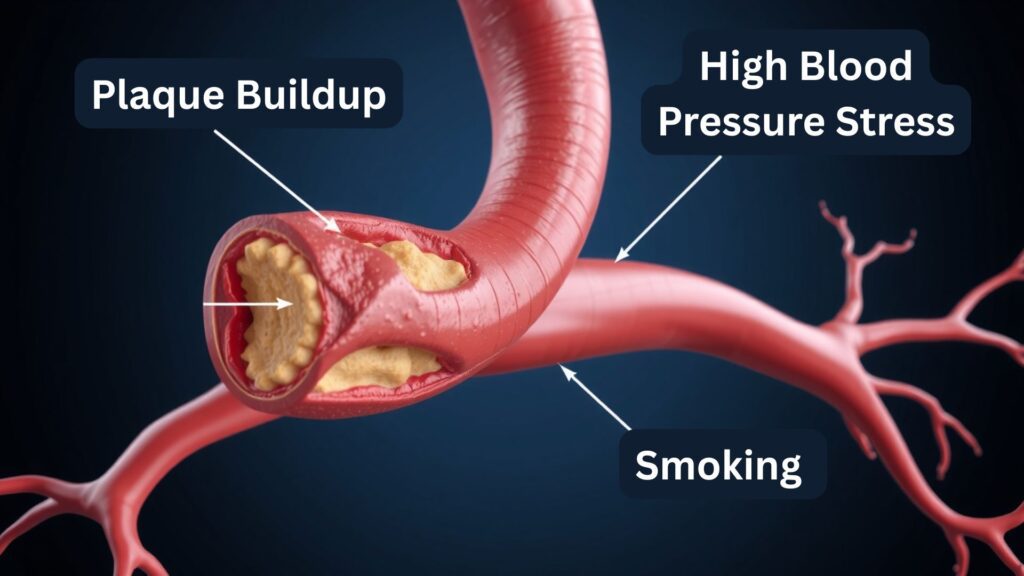
Several factors can cause an aneurysm to expand over time. These include uncontrolled high blood pressure, smoking, high cholesterol levels, advancing age, and atherosclerosis (hardening of arteries). Infections, trauma, and certain genetic conditions may also weaken the aortic wall.
Poorly managed risk factors can accelerate the progression of aortic aneurysm disease, increasing the likelihood of rupture.
Is Aortic Aneurysm Disease Congenital in Children?
Yes, in some cases, aortic aneurysm disease can be congenital. Children born with connective tissue disorders such as Marfan syndrome, Ehlers-Danlos syndrome, or congenital heart defects may have a higher risk of developing aneurysms at a young age. However, congenital cases are relatively rare compared to those seen in adults.
Early diagnosis and lifelong follow-up are essential for children identified with such conditions.
Is Aortic Aneurysm Disease Related to Lifestyle Habits?
Lifestyle plays a significant role in the development and progression of aortic aneurysm disease. Smoking is one of the strongest risk factors, as it damages blood vessels and weakens arterial walls. A sedentary lifestyle, unhealthy diet, obesity, and chronic stress can also indirectly contribute by worsening blood pressure and cholesterol levels.
Adopting heart-healthy habits can significantly slow disease progression and improve overall vascular health.
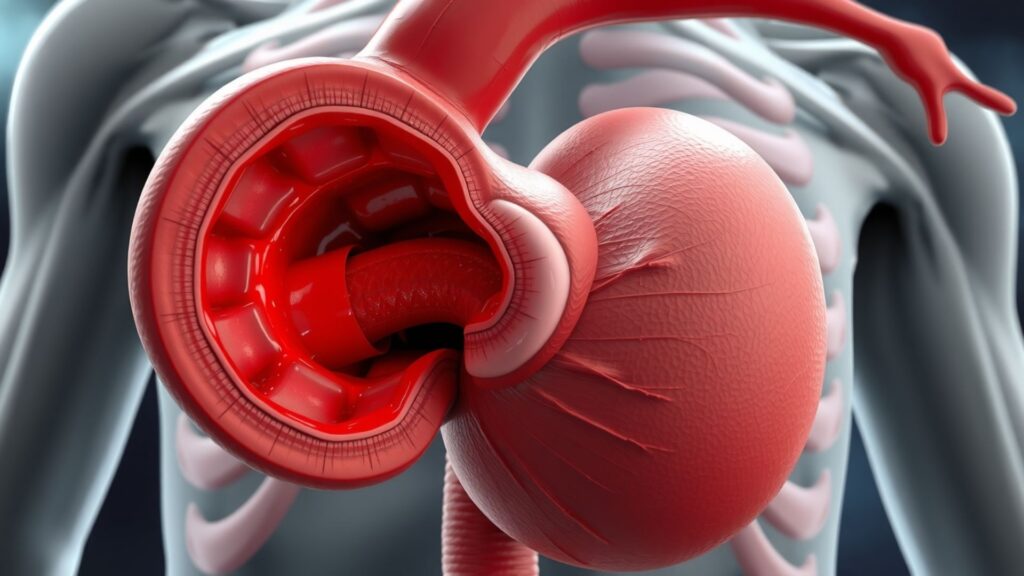
What Is Abdominal Aortic Aneurysm Surgery, and When Is It Needed?
Abdominal aortic aneurysm surgery is performed when the aneurysm reaches a size where the risk of rupture outweighs the risks of surgery. Typically, surgery is recommended when the aneurysm grows beyond 5–5.5 cm or shows rapid enlargement.
There are two main surgical approaches: open surgical repair and minimally invasive endovascular aneurysm repair (EVAR). According to Dr. Sudhanshu Agnihotri, the choice of procedure depends on the patient’s age, overall health, aneurysm size, and anatomical factors.
What Dietary Precautions Should Be Followed After Aortic Aneurysm Surgery?
After surgery, diet plays a vital role in recovery and long-term heart health. Patients are advised to follow a low-salt, low-fat diet rich in fruits, vegetables, whole grains, and lean proteins. Reducing saturated fats and avoiding processed foods helps control blood pressure and cholesterol.
Adequate hydration and portion control are also important to support healing and prevent strain on the cardiovascular system in patients recovering from aortic aneurysm disease.
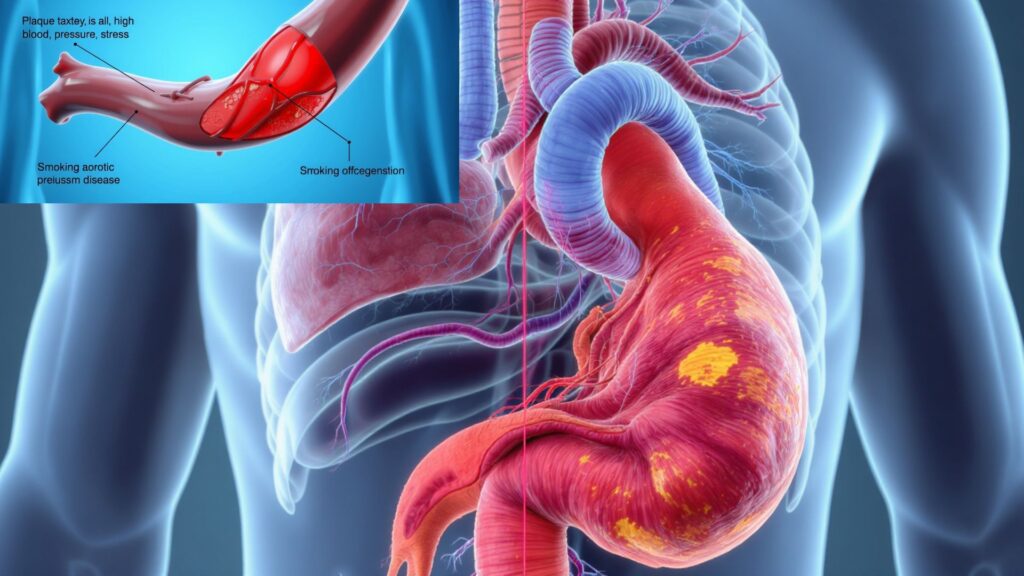
What Lifestyle Changes Are Recommended After Abdominal Aortic Aneurysm Surgery?
Post-surgery, patients should focus on gradual lifestyle improvement. Quitting smoking, maintaining healthy blood pressure, engaging in light to moderate physical activity, and attending regular follow-up appointments are essential. Heavy lifting and strenuous exercise should be avoided until cleared by the surgeon.
Dr. Sudhanshu Agnihotri advises that long-term lifestyle discipline is key to preventing recurrence and protecting the repaired aorta.
Common Google Questions About Aortic Aneurysm Disease
Can an aortic aneurysm be cured without surgery?
Small aneurysms can often be managed with medications and regular monitoring, but larger ones usually require surgery.
Is aortic aneurysm disease life-threatening?
Yes, if left untreated, it can lead to rupture, which is often fatal.
How fast does an aortic aneurysm grow?
Growth rate varies from person to person and depends on risk factors like blood pressure and smoking.
Who should get screened for aortic aneurysm disease?
People over 60, smokers, those with high blood pressure, and individuals with a family history should consider screening.
Final Thought
With early detection, expert guidance, and proper lifestyle management, aortic aneurysm disease can be effectively controlled. Consultation with an experienced thoracic surgeon like Dr. Sudhanshu Agnihotri ensures accurate diagnosis, timely treatment, and a safer path to recovery.