Congenital Heart Defects in Children: Causes, Symptoms, Prevention & Advanced Treatment
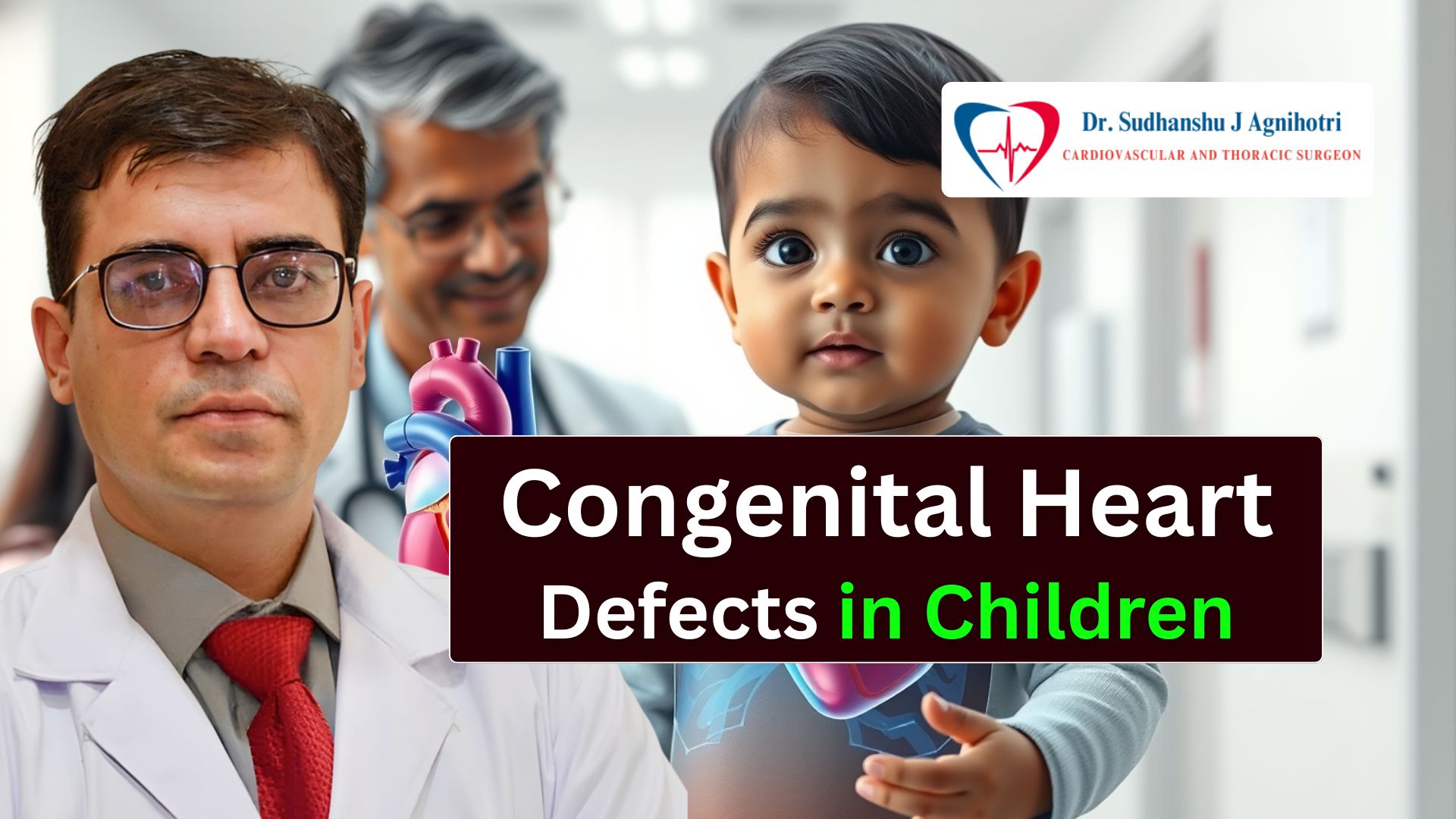
7 Common Questions About Congenital Heart Defects in Children
A healthy heart is essential for a child’s growth and development. However, some babies are born with structural problems in the heart that can affect its normal functioning. Congenital heart defects in children are among the most common birth defects worldwide. While hearing this diagnosis can be overwhelming for parents, early detection and timely treatment have significantly improved outcomes. Today, many children with congenital heart conditions grow up to lead active, healthy, and fulfilling lives.
According to Dr. Sudhanshu J. Agnihotri, Best Heart Surgeon in Indore, creating awareness among parents is the first step toward ensuring timely diagnosis and the best possible treatment for children born with heart defects.

What are Congenital Heart Defects in Children?
Congenital heart defects in children refers to a structural abnormality of the heart that develops before birth. It may involve the heart walls, valves, blood vessels, or chambers, affecting how blood flows through the heart and the rest of the body.
Some congenital heart defects are mild and may not require immediate treatment, while others are more complex and need surgery or specialized cardiac procedures soon after birth. Common symptoms may include difficulty feeding, rapid breathing, bluish lips or fingers, poor weight gain, excessive sweating during feeding, and frequent respiratory infections.
Is a Congenital Heart Defect Genetic?
In some cases, yes. Congenital heart defects in children can be linked to genetic conditions or inherited syndromes. Certain chromosomal disorders, such as Down syndrome, are associated with a higher risk of congenital heart abnormalities.
However, genetics is not the only cause. Environmental factors during pregnancy, maternal infections, uncontrolled diabetes, smoking, alcohol consumption, certain medications, and nutritional deficiencies can also contribute to the development of heart defects in a baby. In many cases, the exact cause remains unknown.

Can a Child Live a Normal Life with a Congenital Heart Defect?
The answer is encouraging—yes, many children can live normal and healthy lives with proper medical care.
Modern medical advancements have transformed the outlook for children diagnosed with congenital heart defects in children. Depending on the severity of the condition, treatment may involve regular monitoring, medications, catheter-based procedures, or corrective surgery. With timely intervention, routine follow-up, and a healthy lifestyle, many children can attend school, participate in sports with medical guidance, and enjoy everyday activities just like their peers.
Dr. Sudhanshu J. Agnihotri emphasizes that early diagnosis and personalized treatment planning are key to achieving the best long-term outcomes.
Is a Heart Murmur Always a Sign of a Congenital Heart Defect?
No. Not every heart murmur indicates a serious heart problem.
A heart murmur is simply an extra sound heard during the heartbeat. Many children have innocent or harmless murmurs that disappear as they grow and do not require treatment.
However, some murmurs may indicate an underlying congenital heart defects in children. If a murmur is accompanied by symptoms such as breathlessness, bluish skin, poor feeding, slow growth, or fatigue, a pediatric cardiologist may recommend further evaluation using tests like echocardiography to identify the exact cause.
What Kind of Parental Negligence Leads to Congenital Defects in Children?
It is important to understand that most congenital heart defects are not caused by parental negligence. Parents should never blame themselves for a child’s diagnosis.
However, certain avoidable risk factors during pregnancy may increase the chances of birth defects, including:
- Smoking or exposure to tobacco smoke.
- Alcohol or recreational drug use during pregnancy.
- Uncontrolled diabetes before or during pregnancy.
- Taking medications without medical advice.
- Missing important prenatal check-ups.
- Poor nutrition, especially inadequate folic acid intake.
- Failure to receive recommended vaccinations before pregnancy when advised.
Maintaining a healthy pregnancy and following medical guidance can help reduce preventable risks, although it cannot eliminate every possibility.

What Precautions Should a Mother Take During Pregnancy to Prevent Congenital Heart Defects in children?
Although not all heart defects can be prevented, several healthy habits may lower the risk:
- Schedule regular prenatal check-ups.
- Take folic acid supplements as recommended by your doctor.
- Manage diabetes, thyroid disorders, and high blood pressure effectively.
- Avoid smoking, alcohol, and recreational drugs.
- Eat a balanced diet rich in vitamins and minerals.
- Avoid unnecessary medications and consult your doctor before taking any medicine.
- Protect yourself from infections by maintaining good hygiene and receiving appropriate vaccinations.
- Maintain a healthy weight and stay physically active according to medical advice.
These preventive measures support both maternal health and the baby’s heart development throughout pregnancy.

What Are the Latest and Most Advanced Treatment Options for Congenital Heart Defects?
Treatment depends on the type and severity of the condition. Fortunately, remarkable advances in pediatric cardiac care have made treatment safer and more effective than ever.
The latest treatment options include:
- Catheter-based interventions, which repair certain heart defects without open-heart surgery.
- Minimally invasive cardiac surgery, resulting in smaller incisions, faster recovery, and reduced discomfort.
- Open-heart surgery for complex congenital heart defects requiring complete correction.
- Hybrid procedures, combining surgical and catheter techniques for selected patients.
- Advanced pediatric intensive care, improving recovery after complex heart surgeries.
- Lifelong follow-up care, ensuring healthy growth and monitoring heart function into adulthood.
According to Dr. Sudhanshu J. Agnihotri, Best Heart Surgeon in Indore, selecting the right treatment requires careful evaluation of each child’s condition, age, and overall health. Early referral to an experienced cardiac specialist significantly improves treatment success and quality of life.
Final Thoughts
Congenital heart defects in children is a medical condition that requires awareness rather than fear. Thanks to advances in diagnosis, surgery, and long-term care, most children can now receive effective treatment and enjoy a bright future. Parents should pay attention to warning signs, attend regular prenatal and pediatric check-ups, and seek expert medical advice whenever they have concerns.
If your child has been diagnosed with a congenital heart defect, consulting an experienced specialist can make all the difference. With timely diagnosis, compassionate care, and advanced treatment, children can overcome many heart challenges and lead healthy, active lives. As Dr. Sudhanshu J. Agnihotri, Best Heart Surgeon in Indore, advises, informed parents and early medical intervention are the strongest foundation for a child’s healthy heart and brighter tomorrow.