



Sleep for a Healthy Heart: A Heart Surgeon Sudhanshu J. Agnihotri Explains
As Dr. Sudhanshu J. Agnihotri, a heart surgeon, I often meet patients who carefully monitor their diet, cholesterol, blood pressure, and sugar levels—but completely ignore one powerful factor that directly affects heart health: sleep. Many people underestimate how deeply sleep influences the heart, blood vessels, hormones, and even the timing of heart attacks.
In this article, I want to explain why sleep for a healthy heart is not a luxury, but a medical necessity. I will also answer common questions my patients ask about food, sleep position, winter sleep duration, night-time eating habits, and why heart attacks often occur during sleep.

Why Sleep Is Essential for Heart Health
Sleep is the time when your heart gets its much-needed recovery. During deep sleep, blood pressure drops, heart rate slows down, stress hormones reduce, and blood vessels relax. This nightly “reset” helps the heart function efficiently the next day.
When you do not get enough sleep, the body remains in a stressed state. This leads to:
- High blood pressure
- Increased inflammation
- Hormonal imbalance
- Higher risk of obesity and diabetes
All these factors significantly increase the risk of heart disease. That is why I always tell my patients that sleep for a healthy heart is as important as exercise and medication.

What Should We Eat for Good Sleep?
Good sleep begins with the right food choices, especially in the evening. For better sleep and heart health, I recommend:
- Light, easily digestible dinners
- Warm foods like dal, vegetable soup, or khichdi
- Foods rich in magnesium and tryptophan such as bananas, nuts (in small amounts), oats, and curd
- A glass of warm milk before bed, if it suits you
Avoid spicy, fried, and very oily foods at night. These increase acidity, disturb sleep, and put extra stress on the heart. Remember, digestion and heart function are closely connected, especially during sleep.

Should You Eat Heavy Food Before Sleeping?
This is one of the most common mistakes I see. Eating heavy food late at night forces your digestive system to work when it should be resting. As a result:
- Blood flow shifts towards digestion instead of heart recovery
- Acid reflux and bloating disturb sleep
- Heart rate remains elevated
Late-night heavy meals can also trigger chest discomfort that mimics heart pain. For sleep for a healthy heart, finish dinner at least 2–3 hours before bedtime and keep it light.

What Is the Best Sleeping Position for Heart Health?
Your sleeping position plays a bigger role than you might think.
From a cardiac perspective, sleeping on the left side is considered the best sleeping position for heart health. It improves blood circulation, reduces pressure on the heart, and supports better breathing.
Try to avoid:
- Sleeping flat on your back if you have snoring, sleep apnea, or heart failure
- Sleeping on your stomach, as it strains the neck and chest
A supportive pillow and a slightly elevated head position can further improve sleep quality and heart comfort.
How Many Hours Should One Sleep in Winter?
In winter, our body naturally demands slightly more rest. Longer nights, lower temperatures, and reduced sunlight affect our biological clock.
For adults, I recommend:
- 7 to 8 hours of sleep daily
- In winter, even 8 hours can be beneficial
Short sleep duration during winter increases blood pressure and thickens blood, raising the risk of heart attacks. Maintaining proper sleep for a healthy heart during colder months is especially important for elderly people and heart patients.
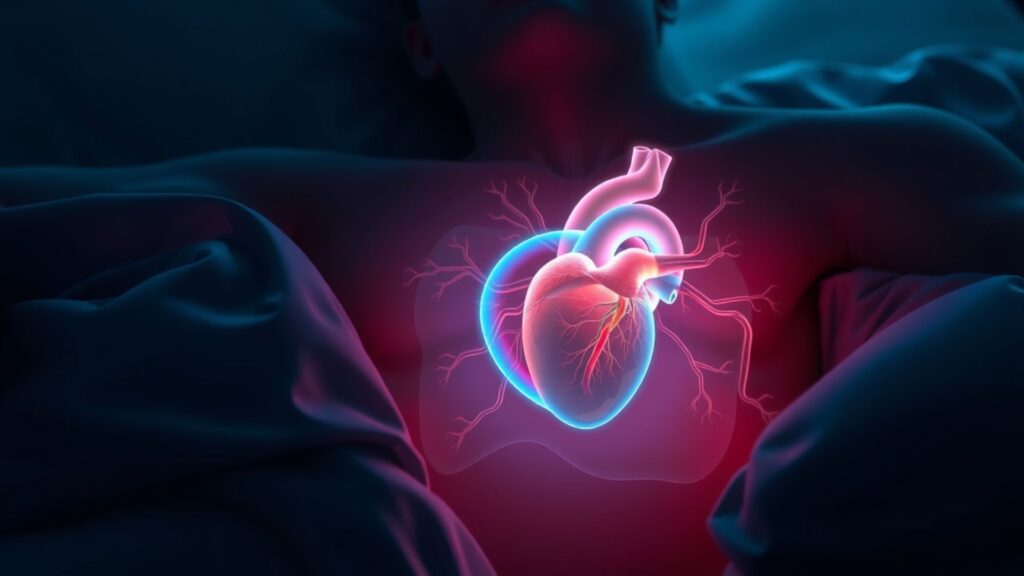
Why Do Most Heart Attacks Occur While Sleeping?
This question often surprises people. Many heart attacks occur in the early morning hours or during sleep due to several physiological changes:
- Blood pressure suddenly rises after a night-time dip
- Stress hormones like cortisol increase early in the morning
- Blood becomes slightly thicker during sleep due to dehydration
- Irregular heart rhythms are more common at night
Poor sleep, sleep apnea, late dinners, and stress further increase this risk. This is why I strongly emphasize improving sleep habits as part of heart attack prevention.
Final Words from a Heart Surgeon
Heart health is not managed only in the operation theatre or with medicines. It is built every night when you sleep. Ignoring sleep weakens even the healthiest heart over time.
If you truly care about your heart, start prioritizing sleep for a healthy heart today:
- Sleep on time
- Eat light at night
- Choose the right sleeping position
- Get enough rest, especially in winter
As a heart surgeon, I can confidently say that better sleep today can prevent serious heart problems tomorrow. Your heart works nonstop for you—make sure you give it the rest it deserves.