



The human heart works tirelessly, pumping blood throughout the body every second of our lives. This vital function depends on a steady and coordinated heartbeat. However, when the heart’s electrical system does not function properly, it can lead to an abnormal heart rhythm, also known as arrhythmia. In such cases, a Cardiac Pacemaker can play a life-saving role.
A Cardiac Pacemaker is a small medical device implanted under the skin to help regulate the heart’s rhythm. It sends electrical impulses to the heart when it detects that the heartbeat is too slow or irregular. Thanks to advances in cardiac technology, modern pacemakers are safer, smaller, and more effective than ever before.
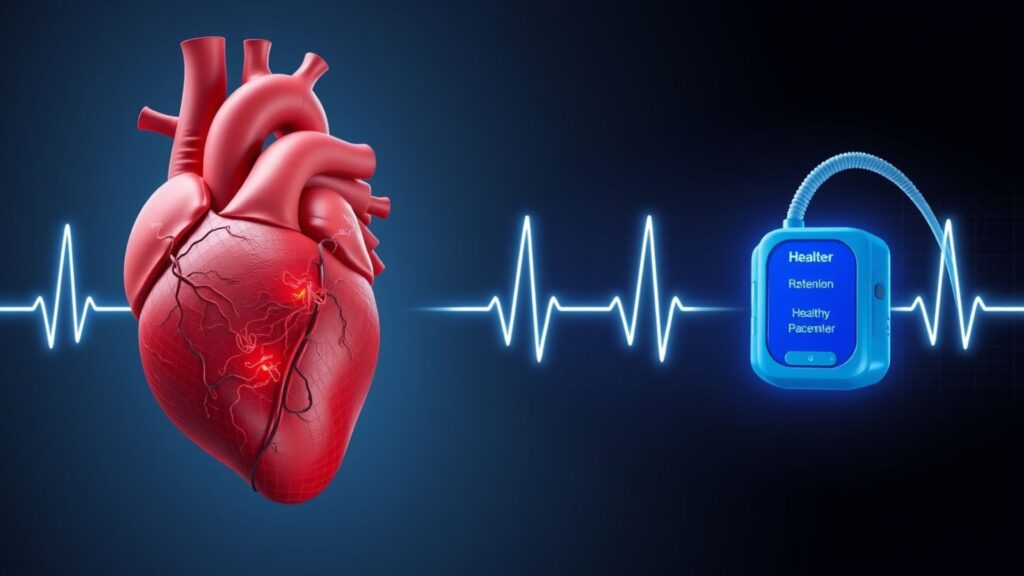
How Does a Cardiac Pacemaker Control Our Heart?
The heart has its own natural electrical system that controls how fast or slow it beats. Sometimes, this system becomes damaged due to aging, heart disease, or other medical conditions. When this happens, the heart may beat too slowly, causing symptoms such as dizziness, fatigue, shortness of breath, or fainting.
A Cardiac Pacemaker continuously monitors the heart’s rhythm. If it detects that the heartbeat has slowed below a safe level, it sends a gentle electrical signal to stimulate the heart muscle and restore a normal rhythm. Most patients do not feel these electrical impulses, but they benefit from a more stable and efficient heartbeat.
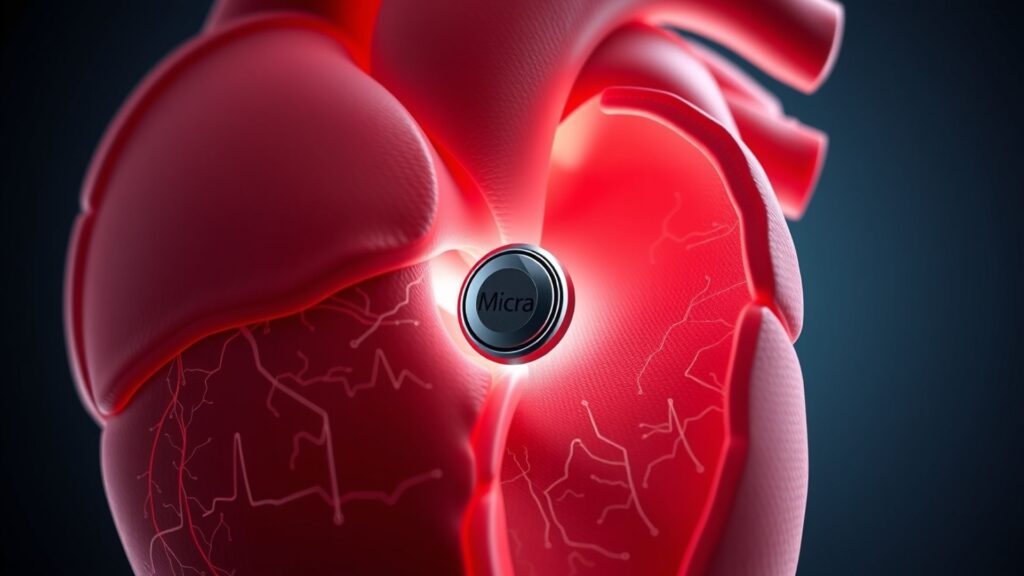
What Is a Micra Pacemaker?
A Micra pacemaker is one of the most advanced pacing technologies available today. Unlike traditional pacemakers, it is much smaller and does not require leads (wires) or a surgical pocket under the skin.
The Micra device is implanted directly into the heart through a minimally invasive catheter procedure, typically inserted through a vein in the leg. Because there are no leads, the risk of lead-related complications is significantly reduced. Many patients also appreciate the fact that there is no visible chest scar after implantation.
According to Dr. Sudhanshu Agnihotri, Cardiac Surgeon, Indore, modern leadless pacemaker technologies such as Micra have expanded treatment options for selected patients who require reliable heart rhythm management with fewer device-related complications.
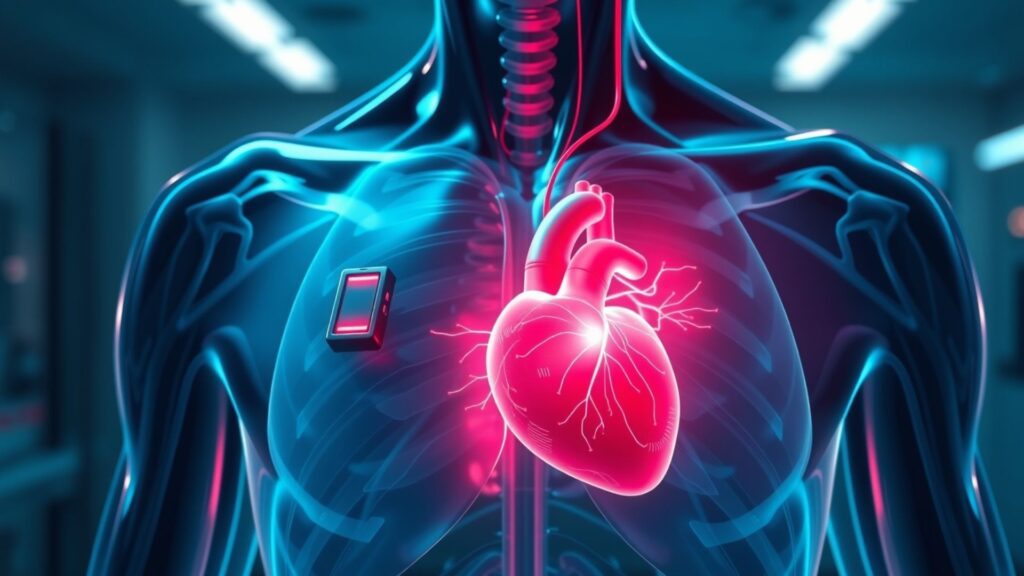
How Does a Leadless Pacemaker Work?
A leadless cardiac pacemaker works in a similar way to a conventional pacemaker but without wires. The entire device is placed inside the heart chamber where it continuously monitors the heartbeat.
When the device detects a slow or missed heartbeat, it delivers a tiny electrical impulse directly to the heart muscle. Since there are no leads connecting the device to the heart, issues such as lead fracture, lead infection, or lead displacement are minimized.
Leadless pacemakers are particularly beneficial for certain patients who may not be ideal candidates for traditional pacing systems.
For Which Heart Conditions Is a Pacemaker Required?
A Cardiac Pacemaker may be recommended for several heart rhythm disorders. Common conditions include:
Bradycardia
Bradycardia occurs when the heart beats too slowly to meet the body’s needs. Patients may experience weakness, fatigue, dizziness, or fainting.
Heart Block
Heart block happens when electrical signals are delayed or blocked as they travel through the heart. Depending on the severity, a pacemaker may be necessary to maintain a healthy heartbeat.
Sick Sinus Syndrome
This condition affects the heart’s natural pacemaker, causing irregular heart rhythms that alternate between slow and fast heart rates.
Certain Types of Heart Failure
Some patients with heart failure may benefit from specialized pacing devices that improve the coordination of heart contractions.
Early diagnosis and timely treatment are essential to prevent complications associated with abnormal heart rhythms.
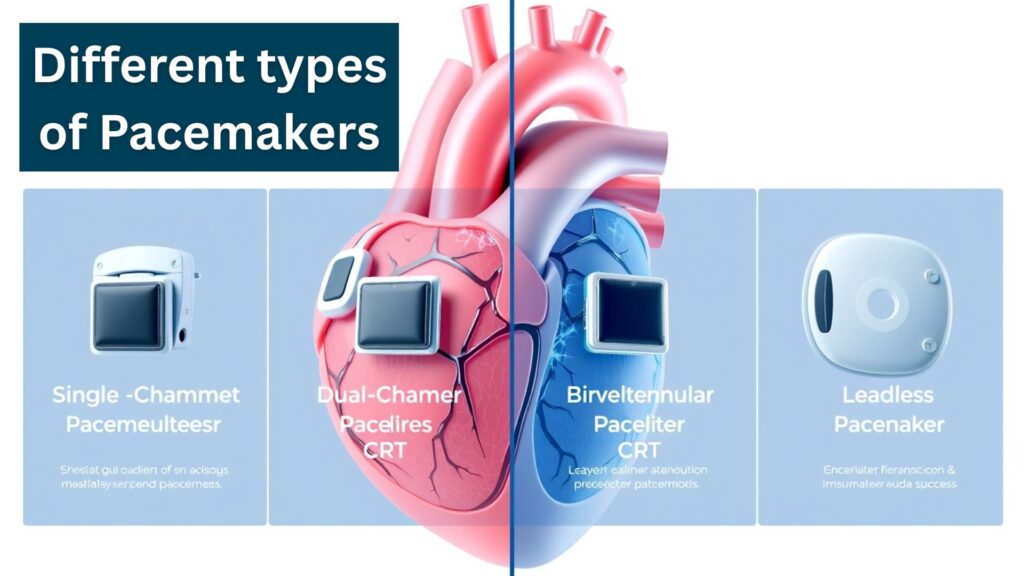
What Are the Different Types of Pacemakers?
There are several types of cardiac pacemakers available today, depending on the patient’s condition and cardiac requirements.
Single-Chamber Pacemaker
This device uses one lead connected to either the upper or lower chamber of the heart.
Dual-Chamber Pacemaker
A dual-chamber device uses two leads to coordinate the activity between the upper and lower heart chambers, creating a more natural heartbeat pattern.
Biventricular Pacemaker (CRT Device)
This specialized pacemaker is used in selected heart failure patients to improve the pumping efficiency of the heart.

What Precautions Should Be Taken After Getting a Pacemaker?
After receiving a Cardiac Pacemaker, patients can usually return to normal activities, but certain precautions are important for a smooth recovery.
Follow Your Doctor’s Instructions
Attend all follow-up appointments to ensure the device is functioning properly.
Avoid Heavy Lifting Initially
Patients are generally advised to avoid lifting heavy objects and excessive arm movements on the implant side during the initial healing period.
Keep the Implant Area Clean
Proper wound care helps prevent infection and promotes faster healing.
Carry Your Pacemaker Identification Card
This card contains important information about your device and should be kept with you at all times.
Be Aware of Strong Magnetic Fields
Most everyday electronic devices are safe, but patients should follow medical advice regarding strong magnets and certain industrial equipment.
Maintain a Heart-Healthy Lifestyle
Regular exercise, a balanced diet, adequate sleep, and avoiding smoking can support long-term heart health.
Conclusion
A Cardiac Pacemaker is a remarkable medical innovation that has transformed the lives of millions of people worldwide. Whether it is a traditional pacemaker or an advanced leadless system such as Micra, these devices help maintain a healthy heart rhythm and improve quality of life.
As emphasized by Dr. Sudhanshu Agnihotri, Cardiac Surgeon, Indore, understanding the symptoms of heart rhythm disorders and seeking timely medical evaluation can make a significant difference in patient outcomes. With proper care, regular follow-up, and healthy lifestyle choices, most pacemaker patients can lead active, fulfilling, and productive lives.