


The heart normally beats in a steady rhythm, allowing blood to circulate efficiently throughout the body. When the electrical signals that control the heartbeat become irregular, the condition is known as arrhythmia. Some arrhythmias are harmless, while others may increase the risk of fainting, stroke, heart failure, or other serious complications. Understanding the condition and available treatment options can help patients seek timely medical care.
Arrhythmia Surgery in India has evolved with advances in cardiac care, offering several treatment approaches depending on the type and severity of the rhythm disorder. However, not every patient with an arrhythmia requires surgery. A cardiac specialist first evaluates the patient’s symptoms, heart rhythm, medical history, and underlying cause before recommending treatment.
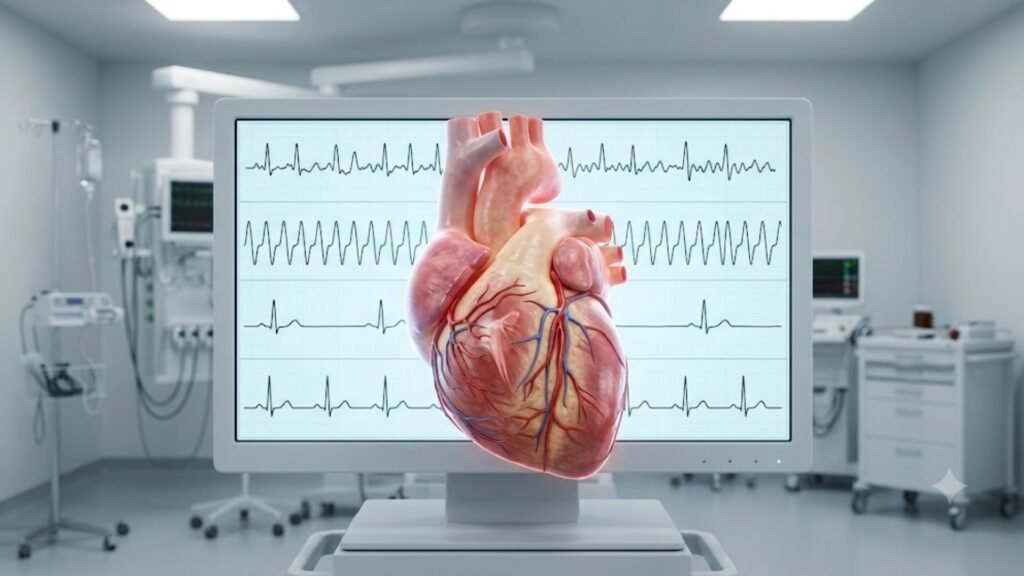
What Is Arrhythmia Surgery?
Arrhythmia surgery refers to procedures used to correct abnormal heart rhythms or reduce the risk of complications caused by them. Depending on the condition, treatment may involve a catheter-based procedure, implantation of a device such as a pacemaker or implantable cardioverter-defibrillator (ICD), or, in selected cases, surgical treatment.
The goal of Arrhythmia Surgery in India is not simply to restore a normal heartbeat but also to improve symptoms, reduce health risks, and help the heart function more effectively.
What Are the Different Types of Arrhythmia?
Arrhythmias are broadly classified according to whether the heart beats too fast, too slowly, or irregularly. Common types include:
- Atrial fibrillation (AF): An irregular and often rapid heartbeat originating in the upper chambers of the heart.
- Atrial flutter: A rapid but more organized rhythm arising from the atria.
- Supraventricular tachycardia (SVT): Episodes of an unusually fast heartbeat originating above the ventricles.
- Ventricular tachycardia (VT): A rapid rhythm arising from the lower chambers that can sometimes be life-threatening.
- Bradycardia: A heart rate that is abnormally slow and may cause dizziness, weakness, or fainting.
- Premature beats: Extra or early heartbeats that may occur in otherwise healthy individuals.
The appropriate Arrhythmia treatment in India depends greatly on which type of rhythm abnormality a patient has.

When Is Arrhythmia Surgery Recommended?
Not every irregular heartbeat needs an operation. Doctors may initially recommend observation, lifestyle changes, or medicines when the arrhythmia is mild or does not significantly affect the patient.
A procedure may be considered when:
- Symptoms are frequent or severe.
- Medication does not adequately control the rhythm.
- The arrhythmia creates a significant risk of stroke or other complications.
- The heart rhythm is dangerously fast or slow.
- There is a risk of sudden cardiac arrest.
- An underlying heart condition requires procedural treatment.
Before recommending Arrhythmia Surgery in India, the cardiac team may perform tests such as an ECG, Holter monitoring, echocardiography, blood tests, or an electrophysiological study.
Who May Need Arrhythmia Surgery?
Patients with persistent or recurrent rhythm disturbances may require an intervention, particularly when symptoms affect their daily activities or the arrhythmia increases their health risks.
People with structural heart disease, previous heart surgery, certain inherited rhythm disorders, or significant conduction problems may also require specialized treatment. The decision should always be individualized rather than based solely on age or symptoms.
Patients in Indore considering arrhythmia surgery can consult experienced cardiac specialist Dr. Sudhanshu J. Agnihotri to determine the most suitable option—whether it be medication, catheter treatment, a device, or surgery.
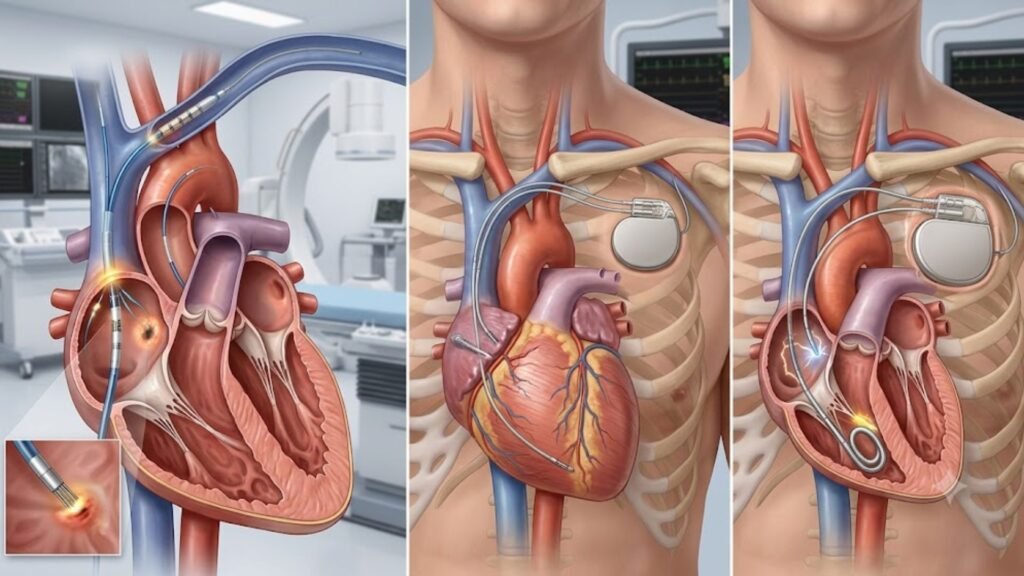
What Are the Different Types of Arrhythmia Surgery?
There are several approaches, and the treatment chosen depends on the specific rhythm disorder.
1. Catheter Ablation
During catheter ablation, thin tubes are guided through blood vessels to the heart. The abnormal electrical area responsible for the rhythm disturbance is treated using specialized energy. It is commonly used for conditions such as certain forms of SVT, atrial flutter, and selected cases of atrial fibrillation.
2. Pacemaker Implantation
A pacemaker may be recommended for certain patients with abnormally slow heart rhythms or problems with the heart’s electrical conduction system. It helps maintain an appropriate heart rate.
3. Implantable Cardioverter-Defibrillator (ICD)
An ICD continuously monitors the heart rhythm and can deliver treatment when a dangerous ventricular rhythm occurs. It may be recommended for selected patients who are at significant risk of life-threatening arrhythmias.
4. Surgical Ablation
In selected patients, particularly those undergoing other cardiac surgery, a surgical ablation procedure may be performed to treat certain rhythm abnormalities.
These are some of the important Types of arrhythmia surgery, and the most suitable option depends on the patient’s diagnosis and overall health.
How Long Does Arrhythmia Surgery Recovery Take?
Arrhythmia surgery recovery varies depending on the procedure performed, the patient’s overall health, and whether other heart conditions are present.
Recovery following a minimally invasive or catheter-based procedure may be relatively quick, while recovery after open-heart surgery can take considerably longer. Patients should follow their doctor’s instructions regarding physical activity, medications, wound care, follow-up appointments, and returning to work.
It is important not to compare recovery times with another patient because every case is different.

What Should You Eat After Arrhythmia Surgery?
A heart-friendly diet can support recovery and overall cardiovascular health. Patients may be advised to include:
- Fresh fruits and vegetables
- Whole grains and high-fibre foods
- Adequate protein from healthy sources
- Low-fat dairy options when appropriate
- Nuts and seeds in suitable portions
- Adequate fluids according to medical advice
Limiting excessive salt, highly processed foods, deep-fried foods, trans fats, and added sugars can also be beneficial. Patients with conditions such as heart failure, kidney disease, or diabetes may require specific dietary restrictions.
What Precautions Should Be Taken After Arrhythmia Surgery?
After Arrhythmia Surgery in India, patients should take medicines exactly as prescribed and attend scheduled follow-up appointments. They should gradually resume physical activity according to medical advice rather than immediately returning to strenuous exercise.
Patients should also report warning signs such as severe chest discomfort, significant breathlessness, fainting, persistent palpitations, unusual swelling, or signs of infection at a surgical or device site.
What Is the Cost of Arrhythmia Surgery in India?
The Arrhythmia surgery cost in India can vary considerably. Factors include the type of procedure, hospital, medical team, diagnostic tests, medications, length of hospital stay, and whether a pacemaker or ICD is required.
Because treatment is highly individualized, patients should obtain a detailed estimate from the treating hospital rather than relying on a single fixed figure found online.
Who Is the Best Doctor for Arrhythmia Surgery in India?
Choosing the right specialist should involve more than looking at a title such as “best.” Patients should consider the doctor’s qualifications, relevant experience, hospital facilities, treatment approach, and the complexity of arrhythmia cases they manage.
For those seeking the Best doctor for arrhythmia surgery in India, Dr. Sudhanshu J. Agnihotri can be considered as a cardiac surgery specialist for consultation and evaluation. The appropriate treatment, however, should always be decided after a detailed clinical assessment.
Final Thoughts
According to Dr. Sudhanshu, an arrhythmia surgery specialist, various modern treatment methods for arrhythmia are available in India, ranging from catheter-based procedures and pacemakers to ICDs and select surgical techniques. Early detection of the condition is crucial, as certain heart rhythm issues often go undetected until they lead to serious complications.
If you experience recurrent palpitations, dizziness, unexplained fainting, breathlessness, or an unusually fast or slow heartbeat, seek medical evaluation rather than self-diagnosing. With timely diagnosis and an individualized treatment plan, many patients with arrhythmias can achieve better symptom control and improved quality of life.